About Renal Supplies Water Systems
Renal Supplies Water Systems works from Pinetown near Durban, supporting dialysis units with reverse-osmosis water treatment plants from tap to drain. Our team handles design, installation, service visits, records and aftercare in a practical, site-based way.
What We Do
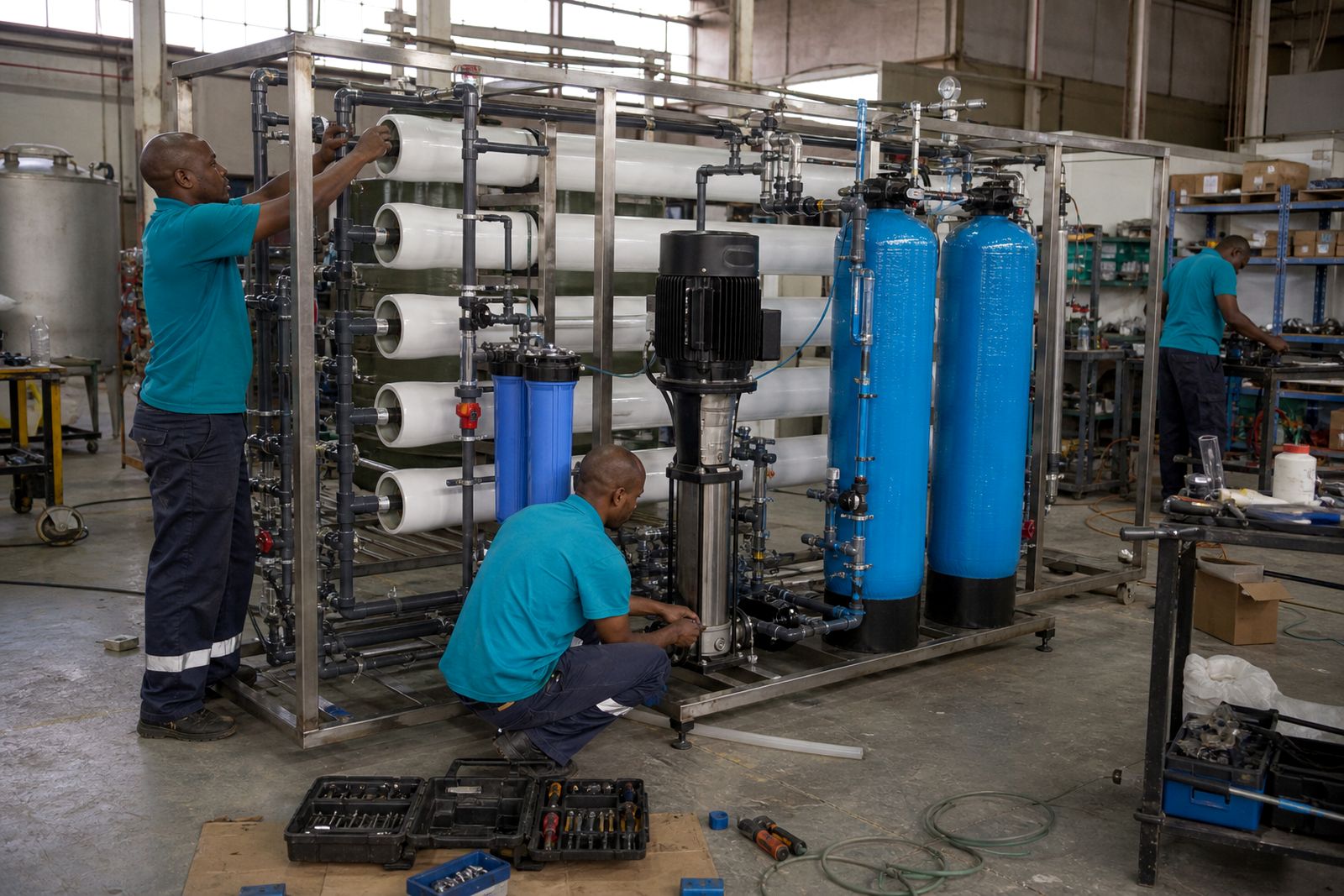
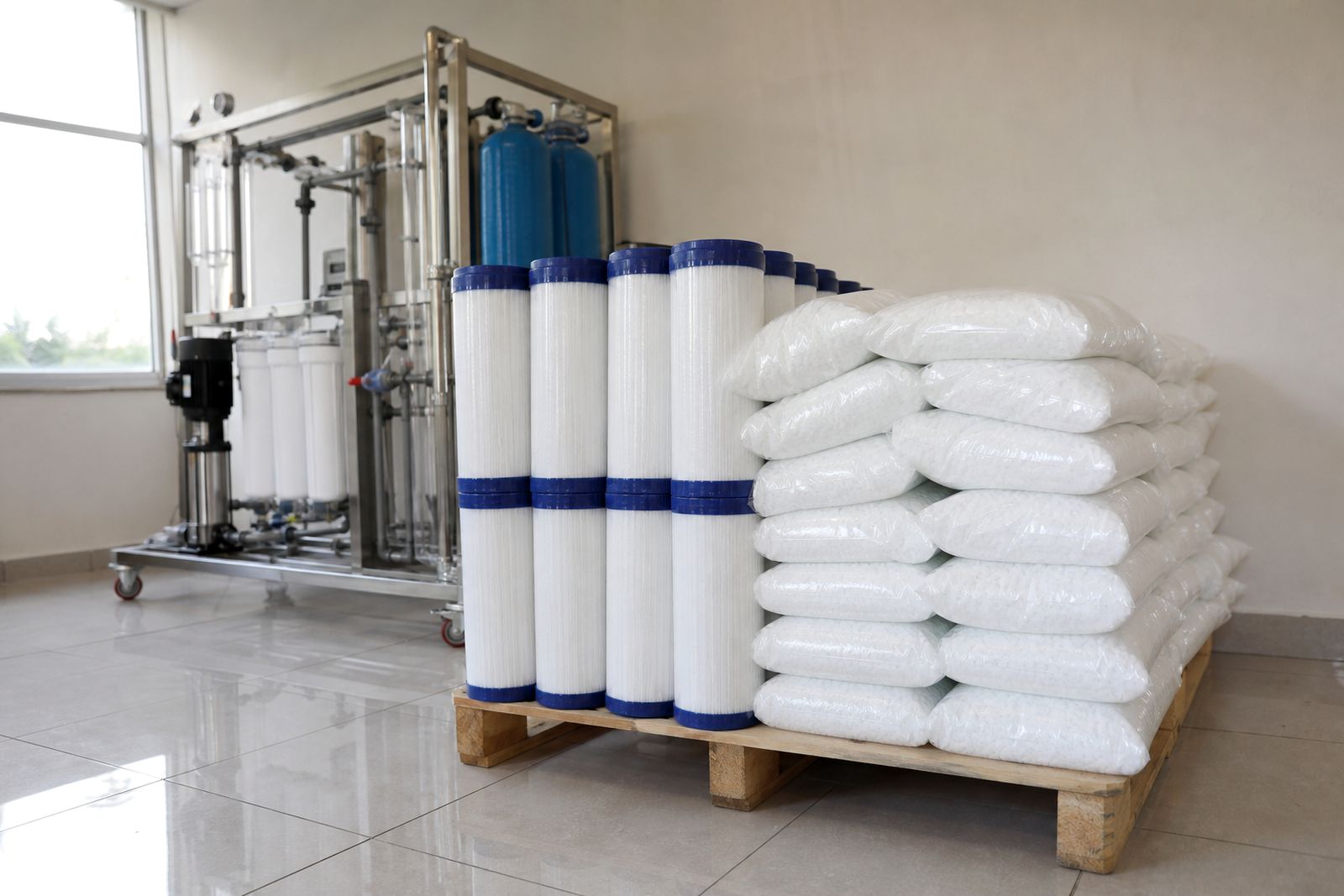
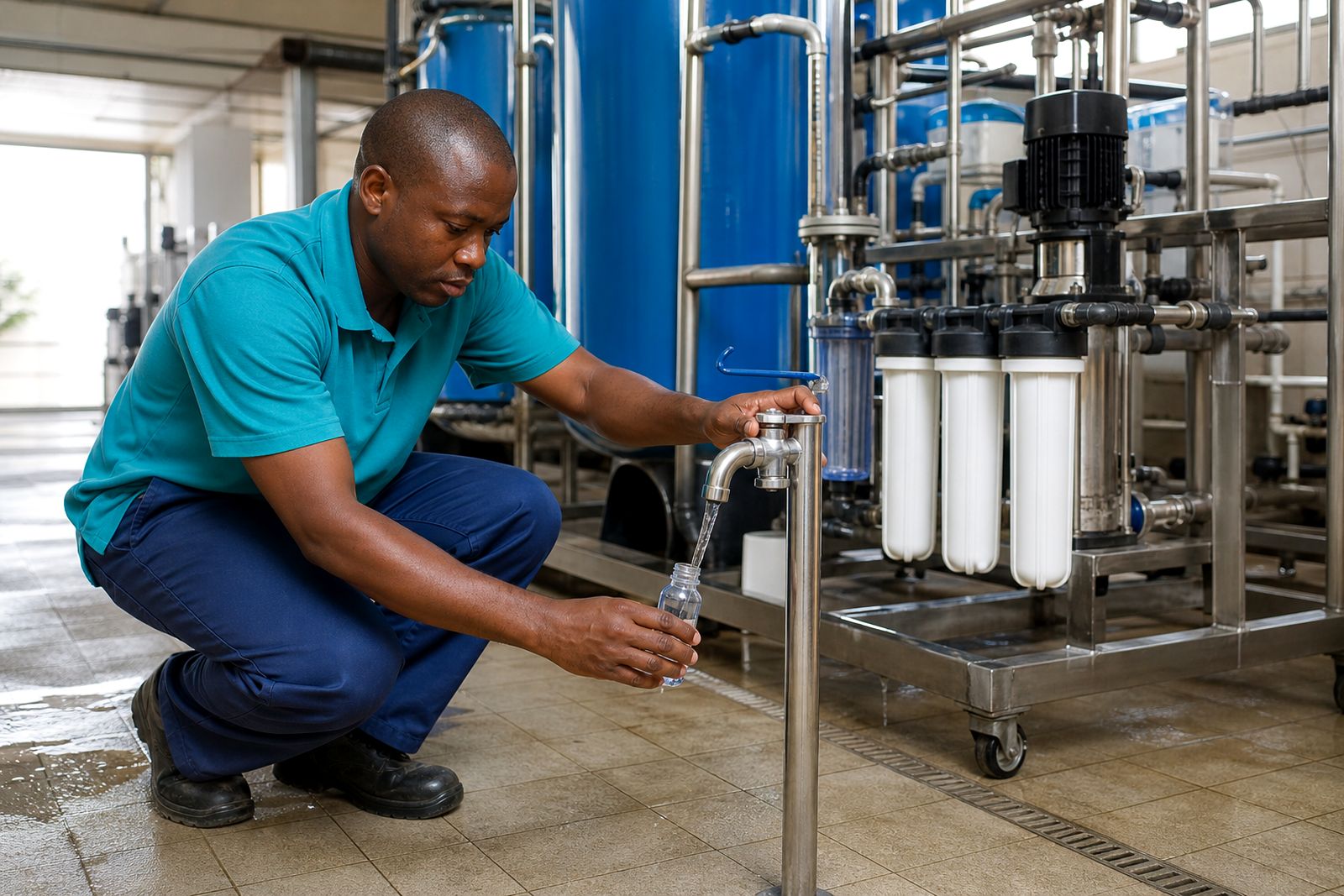
We design, install and service reverse-osmosis water treatment plants for dialysis units. Our work covers the full water path, starting at the incoming supply and continuing through pre-treatment, filtration, softening, reverse osmosis, distribution loops and the drain side. We also supply routine consumables such as filters and softener salts, carry out disinfection work, and keep water-quality testing logs as set by the unit and its responsible staff.
This is specialised trade work for treatment areas where water quality and plant reliability matter every day. We do not give clinical advice, and we do not set treatment schedules or limits. The unit and its responsible staff decide the testing schedule and acceptable limits, and we keep the records in an orderly way so the site has a clear service trail.
- Reverse-osmosis plant design and installation
- Pre-treatment layout, filters and softener salt support
- Distribution loop work and plant room pipe routing
- Disinfection and planned service visits
- Water-quality testing logs and record keeping
- Service contracts and call-out support
The Clients and Sites We Support
Most of our work is for dialysis units in KwaZulu-Natal, with regular travel from Pinetown to sites near Durban and further afield by arrangement. Some units are in busy urban buildings with restricted delivery times and shared services. Others are in smaller regional settings where storage, access and municipal supply conditions need a different approach. We can also assist in other provinces on request.
Each site has its own practical issues. Coastal humidity can affect plant rooms and stored consumables. Municipal water can vary after line work or supply interruptions. In some buildings there is limited floor area, awkward drain falls, or tight access through service passages. We plan around those realities so the finished plant is serviceable, tidy and easy for site staff to check day to day.
How Our Team Works
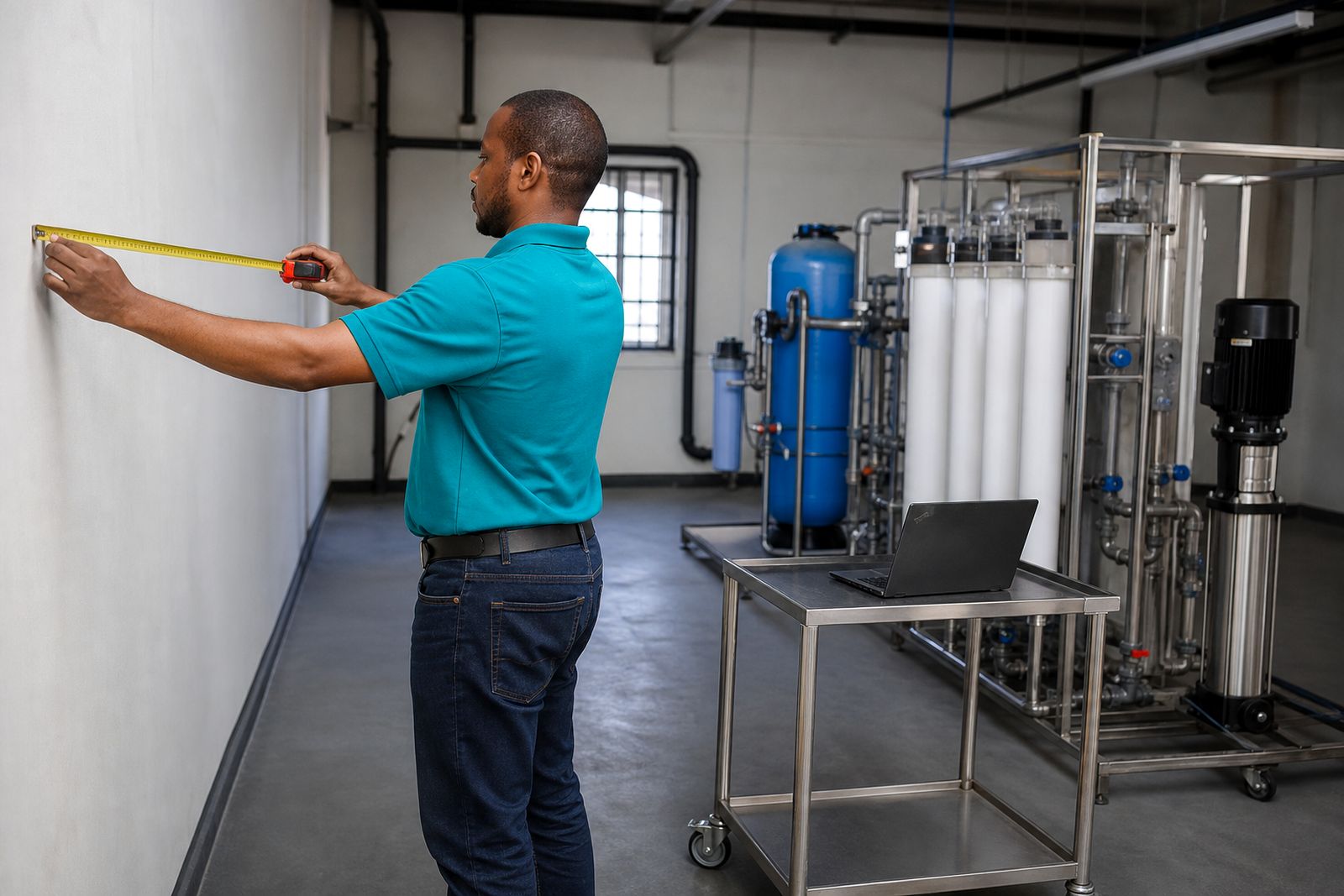
Jobs are handled by a small working team with clear roles. The project coordinator deals with the first enquiry, gathers site information and arranges the next step. The survey technician checks the room, incoming water point, drainage, electrical supply and route for pipework. The installation team fits the plant and distribution line, and the service technician returns for routine maintenance, disinfection and record updates.
Because dialysis water plants need steady follow-through, the same job file stays active from first contact to aftercare. That means the next person arriving on site can see what was fitted, what was changed, and what the unit asked us to monitor. It saves time and cuts confusion on busy service days.
- Project coordinator for enquiries and job scheduling
- Survey technician for room checks and planning notes
- Installation team for plant fitment and pipework
- Service technician for maintenance, disinfection and logs
- Workshop support for consumables, packing and dispatch
Our Premises in Pinetown
Our base in Pinetown keeps us close to Durban routes and the main corridors into the rest of KwaZulu-Natal. From here we prepare installations, hold service stock and organise consumables for planned visits. The premises support practical workshop tasks such as plant preparation, parts checking, filter handling and loading for site work.
Being based in Pinetown also helps with response planning when travel windows are tight or when a unit needs follow-up after a shutdown, disinfection cycle or unexpected water issue. We know many local access conditions, from older medical buildings with narrow service entries to newer sites with stricter contractor sign-in rules. That local familiarity matters, even for small jobs.
From First Enquiry to Handover
Clients start through the enquiry form on our contact page. From there we gather the basic site details, what the unit needs help with, and whether the job is a new installation, an upgrade, a service contract or support on an existing plant. If needed, we arrange a site survey to inspect the room and confirm practical points before any work is booked.
After the survey, we map the work from tap to drain. That includes pre-treatment position, access for filter changes, salt handling, membrane service access, loop routing, drain points and cleaning access. Installation is then planned around the site's working hours and building rules. During commissioning, we check that the plant is operating as intended and that the required records are in place as requested by the unit. Handover includes routine operating guidance for the site team, but not clinical direction.
- Enquiry received through the contact page form
- Site information reviewed and visit arranged if needed
- Survey notes prepared for room layout and services
- Installation and commissioning scheduled with the unit
- Logs, service dates and aftercare arrangements confirmed
Aftercare, Service and Records
Our work does not end at installation. Dialysis water plants need planned attention, reliable consumable changes and clear records. We provide service contracts, routine maintenance, disinfection support and supply of filters and softener salts. We also keep water-quality testing logs according to the schedule and limits set by the unit and its responsible staff.
Good aftercare is mostly about consistency. A plant that is easy to access, clearly labelled and properly recorded is easier to maintain over time. When there are power cuts, municipal supply interruptions or a plant room change on site, the service technician can update the job record and advise on the practical work needed next. That steady follow-up is a big part of how we work, and it keeps the service side straightforward for the unit.
Questions we get asked
What kind of sites do you work with?
We work with dialysis units and related treatment sites that need reverse-osmosis water treatment plants, distribution loops, consumables, disinfection and ongoing service support.
How do we contact your team about a job?
Please use the enquiry form on our contact page. We review the site details, confirm the scope and arrange the next step, including a survey if required.
Do you decide the testing schedule for the unit?
No. The unit and its responsible staff set the testing schedule and the limits to be used. We keep the records and support the service work around that plan.
Also worth a look
Ask about a water plant
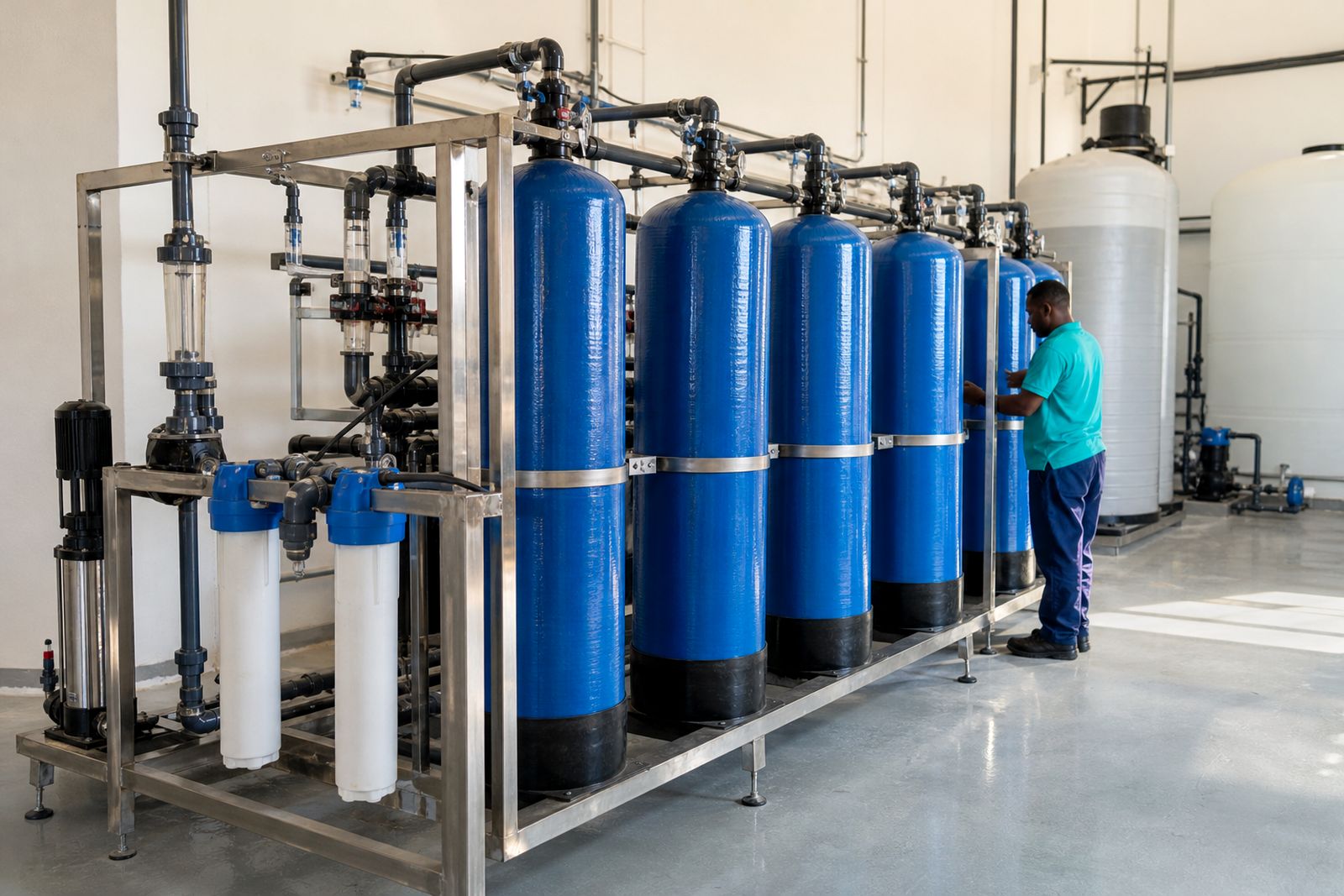
Send a note through our contact form with your unit, the number of treatment stations and whether you need a new plant, a service or testing, and an engineer will contact you.
Open the contact form