Filters and salts
Consumables keep a dialysis water plant working as intended between major service visits. We supply the routine items used in pre-treatment and softening, and we help your unit match replacements to the plant layout and service plan.
What this section covers
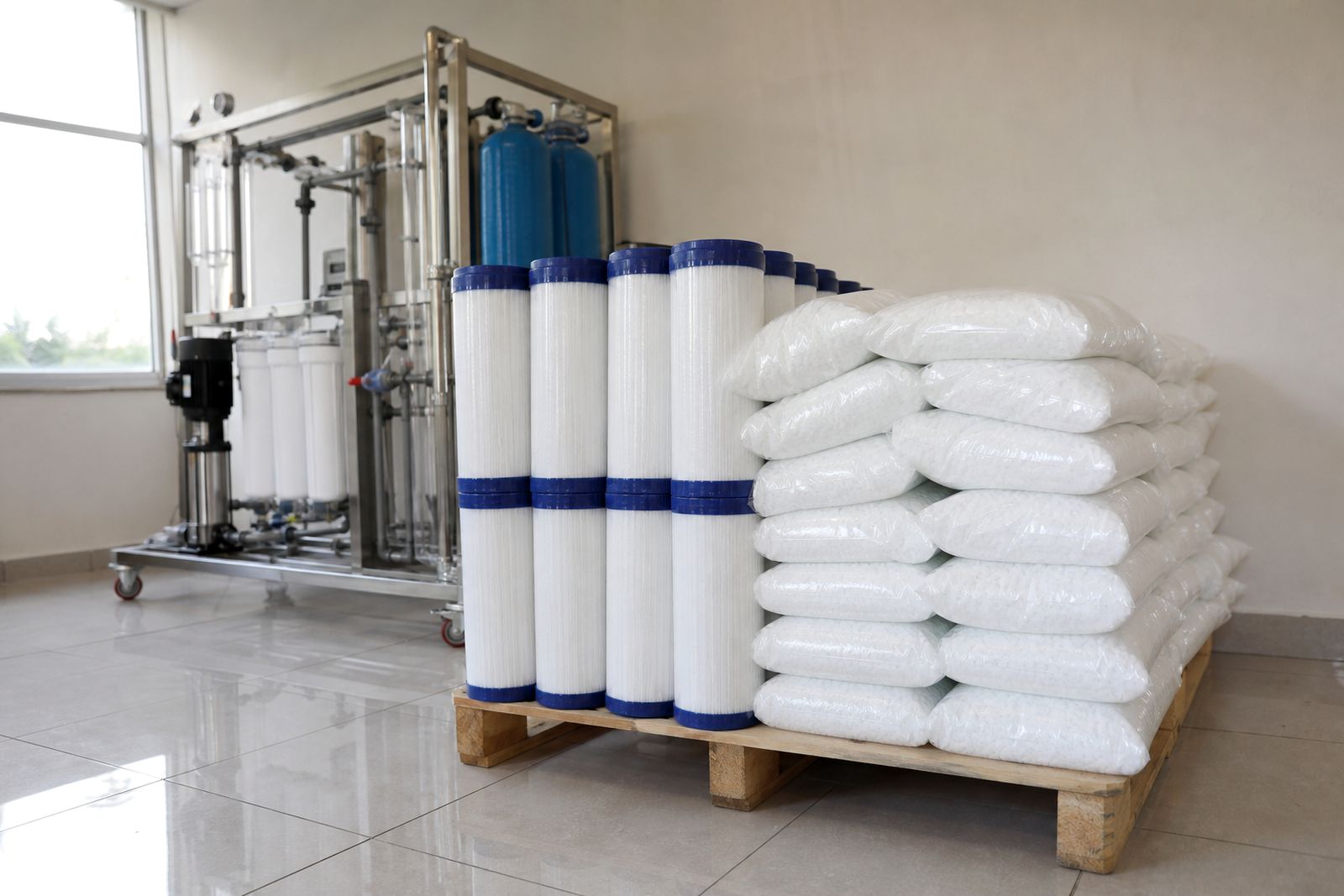
This section focuses on the consumable items used ahead of and around the reverse-osmosis plant, mainly pre-filters, carbon stages and softener salts. These parts do the day to day work of reducing incoming water problems before they reach the membranes and distribution system.
For dialysis units in Pinetown, Durban and elsewhere in KwaZulu-Natal, replacement timing often depends on local feed water conditions, municipal interruptions, pipework work upstream and periods of heavy use. Coastal humidity can also affect how bagged salt is stored on site, so stock handling matters not just ordering. If you are unsure what belongs in your plant, we check the installed stages and supply to suit the actual arrangement in the room.
The main consumables in a dialysis water plant
Most units will use a combination of sediment filtration, carbon treatment and water softening before the reverse-osmosis stage. Each item has a different job, so choosing purely on size or appearance can cause trouble later.
- Pre-filters: used to catch suspended matter and protect downstream components from fouling.
- Carbon media or cartridges: used where the plant includes carbon treatment as part of pre-treatment.
- Softener salt: used to regenerate the softener so it can continue removing hardness from incoming water.
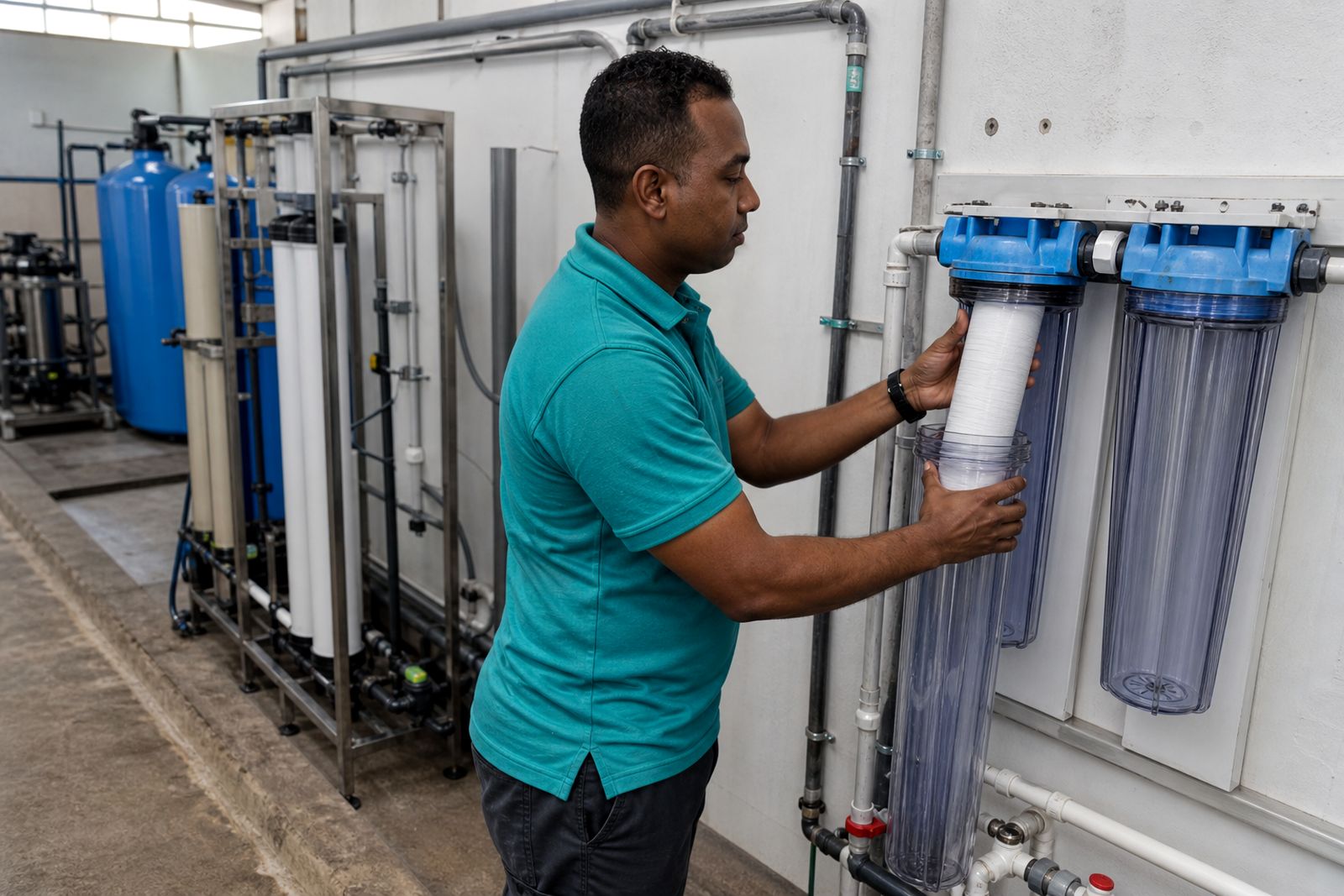
- Related change items: seals, housings checks and basic consumable change support during planned service visits.
We supply these items as part of routine service planning or on request when your stock is running low.
How to choose the right replacement
The safest starting point is the plant as installed, not a general description from another unit. Filter length, diameter, micron rating, vessel arrangement, flow direction and softener size all need to match what is on site. A plant room in a busy hospital area may also have access limits, storage limits or change windows that affect what can be delivered and when.
- Choose by the installed housing and vessel arrangement, not by guesswork.
- Check whether the item is for sediment removal, carbon treatment or softener regeneration.
- Consider your storage conditions, especially damp rooms or coastal air.
- Keep a simple stock count so replacements are ordered before the last bag or last cartridge is in use.
- Link changes to the unit's own operating checks and service plan.
If your responsible staff are not sure which item is due next, send an enquiry through our contact page and we can work from the plant details on record or arrange a site check.
Pre-filters, carbon and salt compared
These consumables are often grouped together, but they are not interchangeable and they do not fail in the same way.
- Pre-filters are usually the first line of protection. They are changed when condition, pressure behaviour or scheduled maintenance indicates it is time.
- Carbon stages are used where the pre-treatment includes carbon treatment. They need planned attention because once exhausted they cannot simply be judged by appearance alone.
- Softener salt is a bulk consumable. It must be kept dry and topped up correctly so the softener can regenerate as intended.
In simple terms, pre-filters catch, carbon treats and salt regenerates. When one of these is neglected the effect is felt downstream, sometimes as gradual performance loss and sometimes as a sudden callout, which is why a basic replacement routine helps a lot.
Storage, handling and delivery practicals
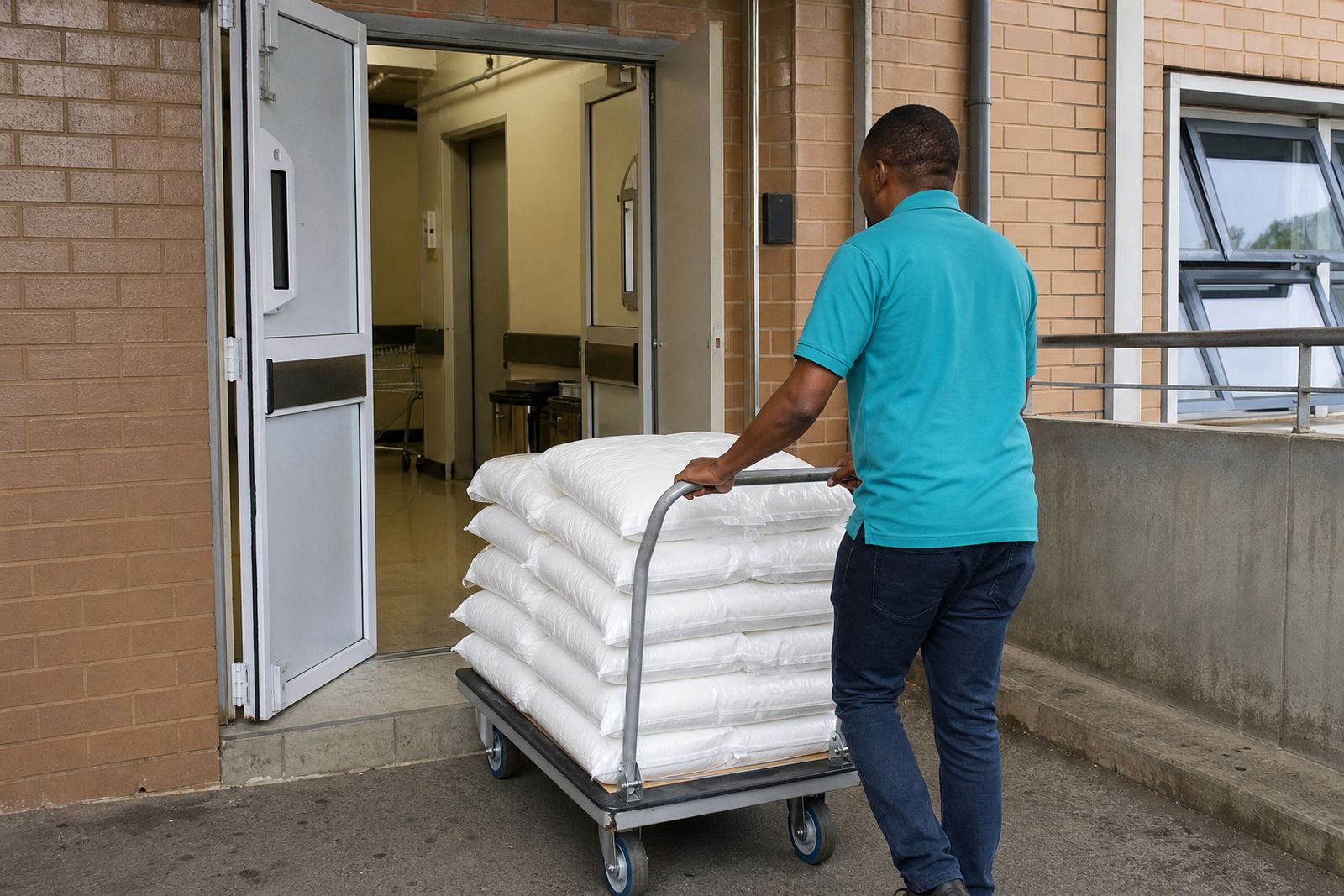
Consumables last better when stored neatly and off the floor in a dry area. In coastal parts of KwaZulu-Natal, salt bags can harden or break down if they sit in damp conditions for too long. Cartridges and other packed items should stay sealed until needed, and old stock should be used first where suitable.
For sites in and around Pinetown and Durban we can align supply with planned service visits where practical. For units further afield in the province, lead time and access arrangements matter, especially if the plant room is in a controlled area or deliveries must go through receiving first. Small handling details are easy to overlook but they save time on change day.
Consumables as part of the full water plant service
Filters and salts make the most sense when they are tied into the wider water plant plan from tap to drain. That includes site checks, installation support where needed, disinfection planning, routine service and record keeping. We do not give clinical advice. The unit and its responsible staff set the testing schedule and limits, and we keep the records that relate to our service work and water-quality testing logs.
If you need help choosing between pre-filters and carbon options, or you want regular softener salt deliveries arranged around your service cycle, use the enquiry form on our contact page. We service dialysis water plants across KwaZulu-Natal and can assist in other provinces on request.
What our Water Treatment customers say
Verified Google reviews
Questions we get asked
How do we know which filter cartridges to order?
Order against the installed plant layout and housing sizes, not by appearance alone. If you are unsure, send an enquiry through our contact page and we can confirm the correct consumables for your unit.
Can softener salt be stored in the plant room?
It can, provided the area is dry, tidy and suitable for bag handling. In humid coastal areas it is best to keep bags off the floor and protected from damp air where possible.
Do you decide the testing schedule for our water plant?
No. The unit and its responsible staff set the testing schedule and limits. We keep the records related to the agreed service work and water-quality testing logs.
Ask about a water plant
Send a note through our contact form with your unit, the number of treatment stations and whether you need a new plant, a service or testing, and an engineer will contact you.
Open the contact form