Water treatment for dialysis units
Renal Supplies Water Systems designs, installs and services reverse-osmosis water treatment plants for dialysis units from tap to drain. Based in Pinetown near Durban, we work across KwaZulu-Natal and can assist in other provinces on request.
Dialysis water plants built around the unit
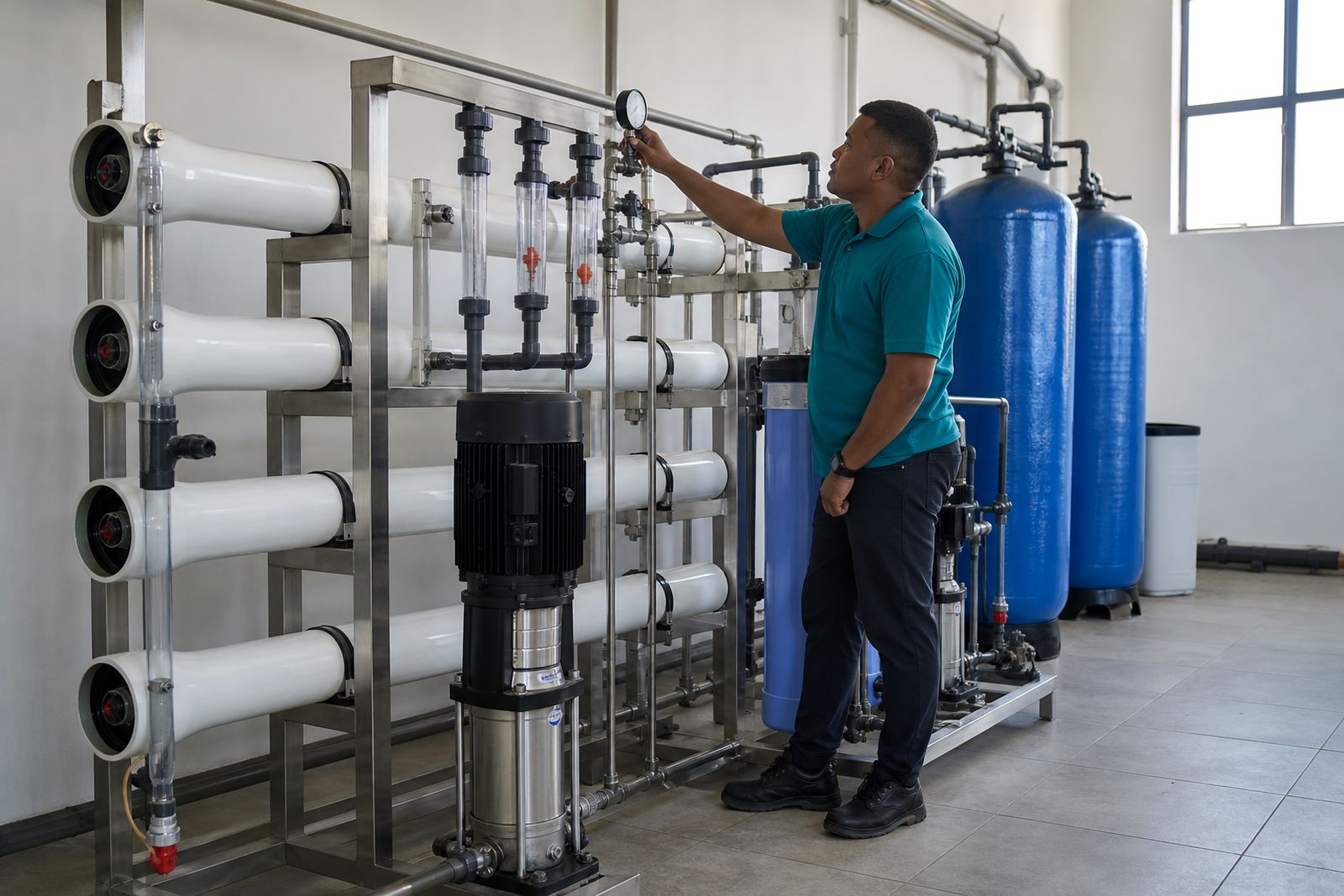
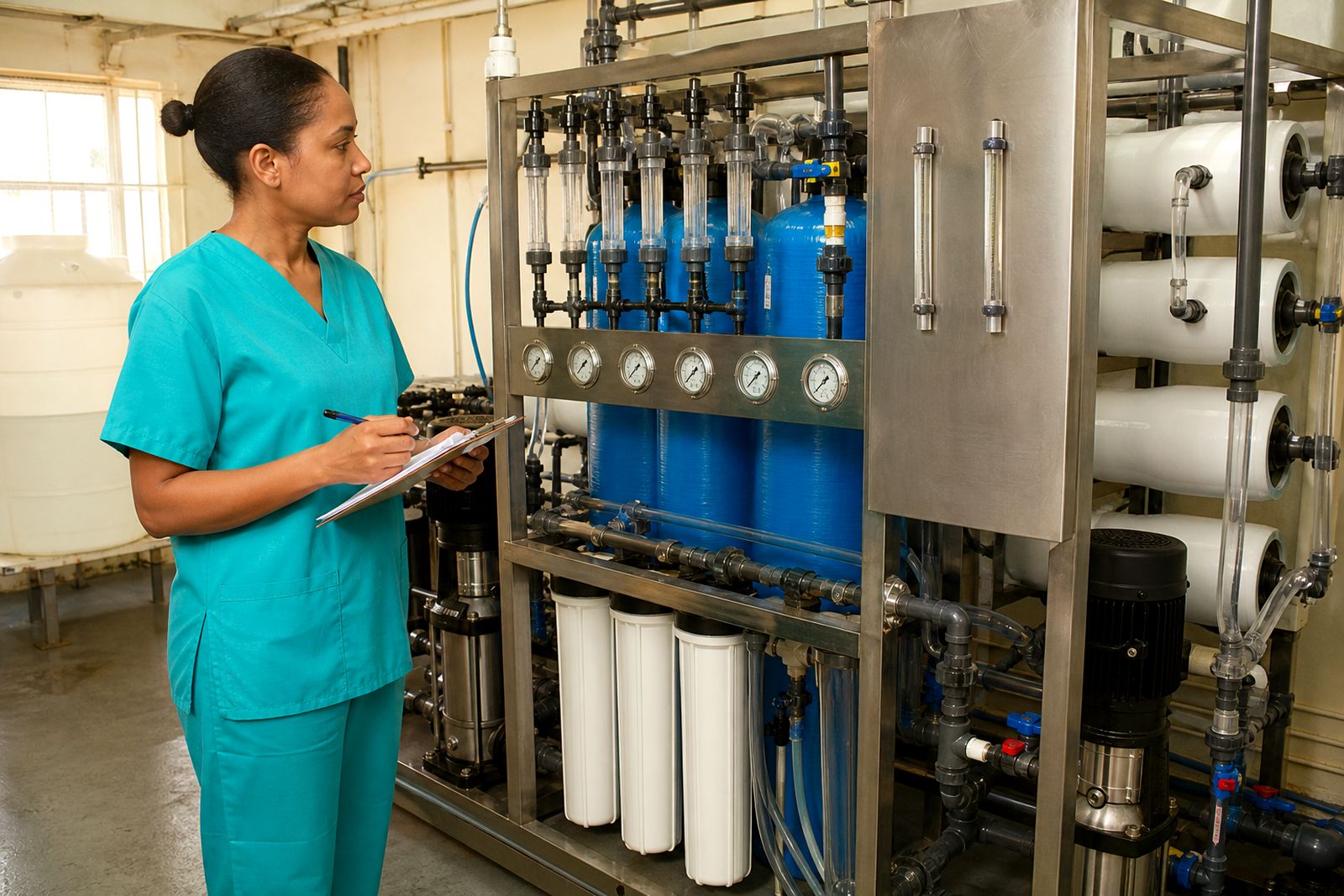
We supply and support reverse-osmosis water treatment plants for dialysis units, with practical attention to the full water path from incoming municipal supply to final drain points. Our scope covers pre-treatment, filters, softener salt supply, RO membranes, pipework arrangements, distribution loops, disinfection routines, water-quality testing logs and planned service support. We work with the unit's responsible staff so the plant layout, service access and record keeping suit the way the unit operates day to day.
Every site is different. A compact unit in a medical centre in Pinetown does not have the same room layout, incoming water behaviour or drain arrangement as a larger facility in Durban or elsewhere in KwaZulu-Natal. That is why we do not treat dialysis water as a box-drop item. We assess the site, plan the treatment train and install it so that operators can reach valves, replace filters, monitor the plant and keep the area clean without fighting the layout.
- Reverse-osmosis plant design and installation
- Pre-treatment with filters and softening stages
- RO membrane replacement and service work
- Distribution loop supply and routing
- Disinfection of plant and loop sections
- Water-quality testing logs kept with the unit
- Service contracts for routine planned work
Where to start
Water plants
Reverse-osmosis water plants planned around your unit, water source, room layout and service routine.
Read more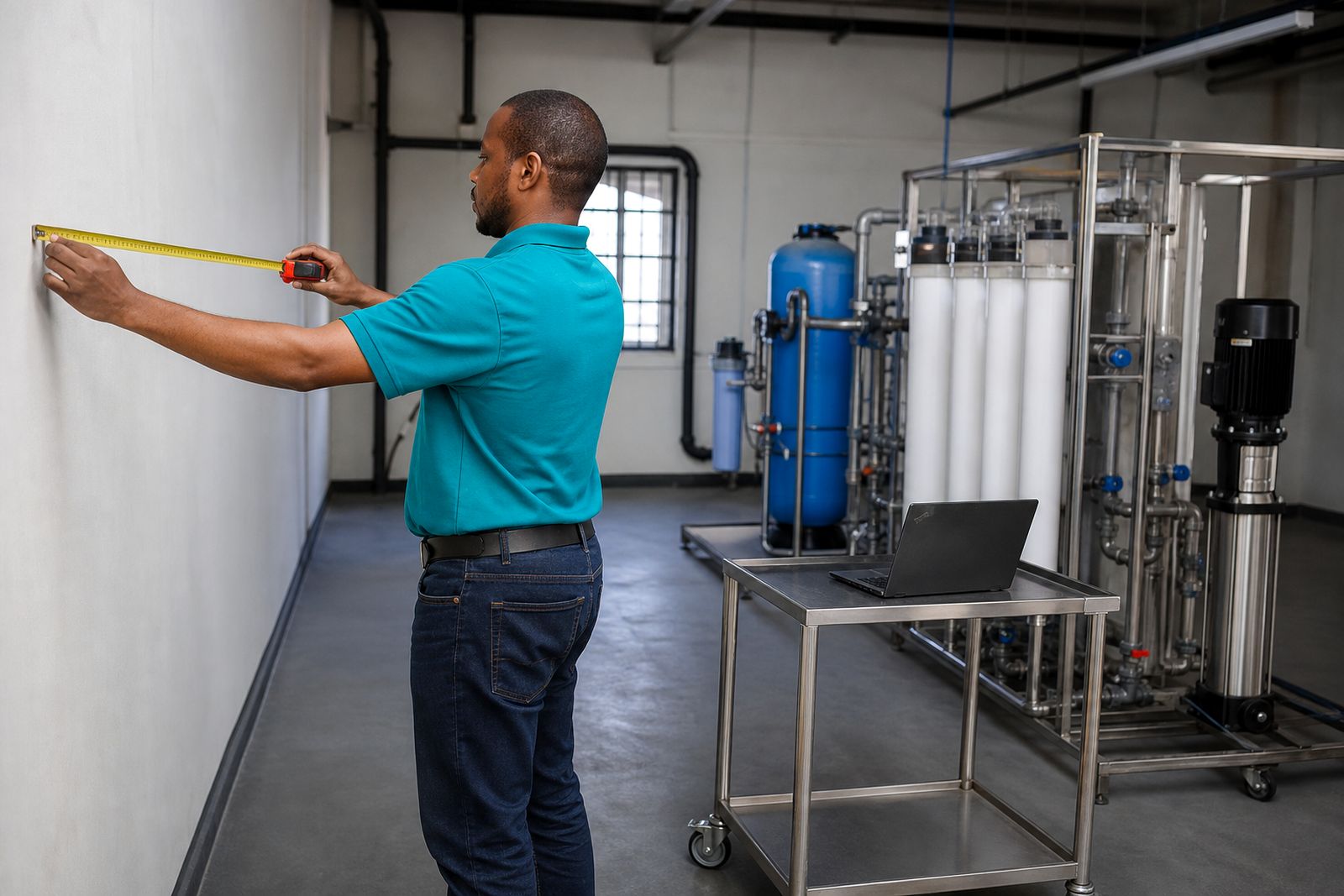
Installation
Survey, design, installation and commissioning for dialysis water plants, planned around your site and daily operating needs.
Read more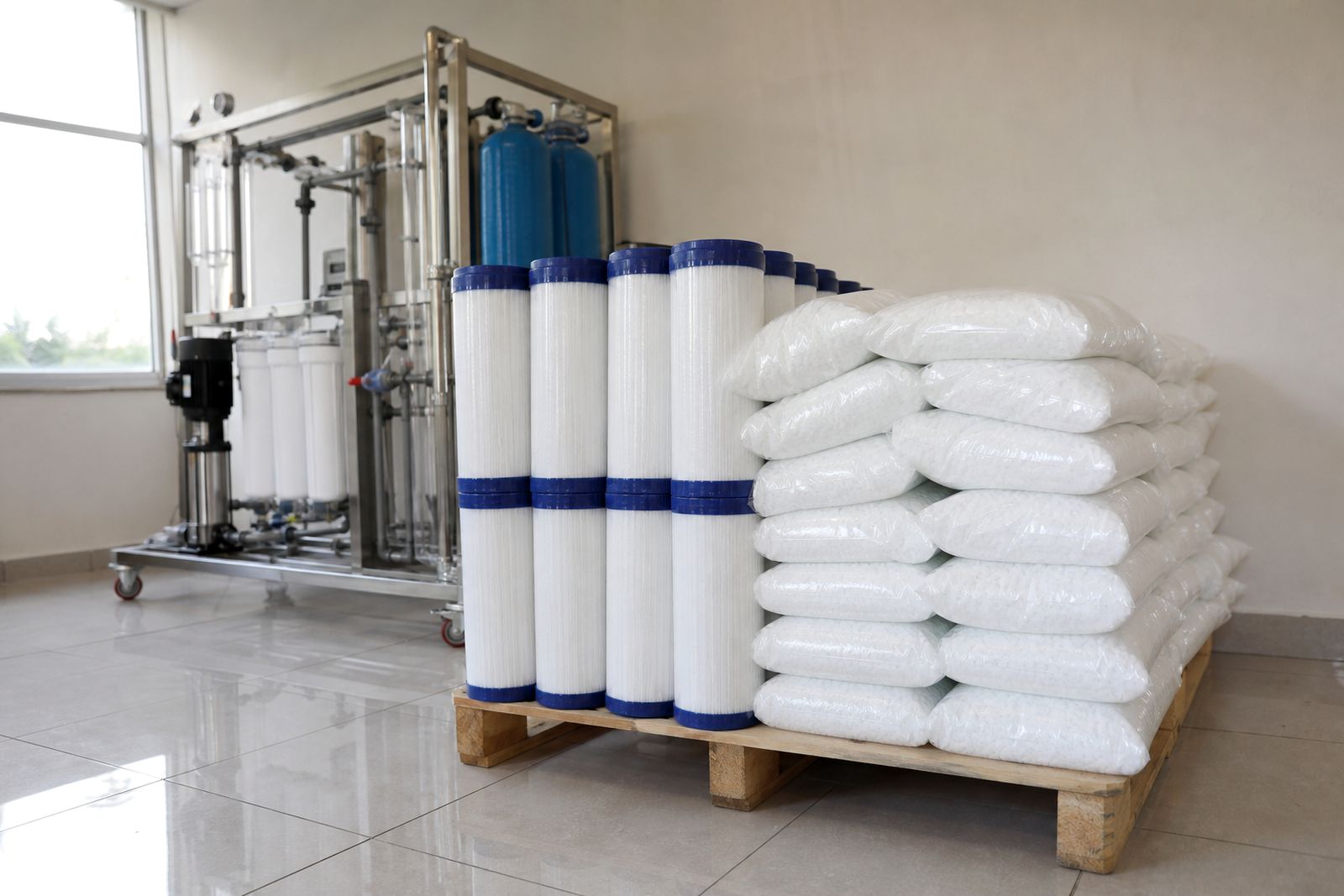
Filters and salts
Supply of routine filter consumables and softener salts for dialysis water plants across KwaZulu-Natal.
Read more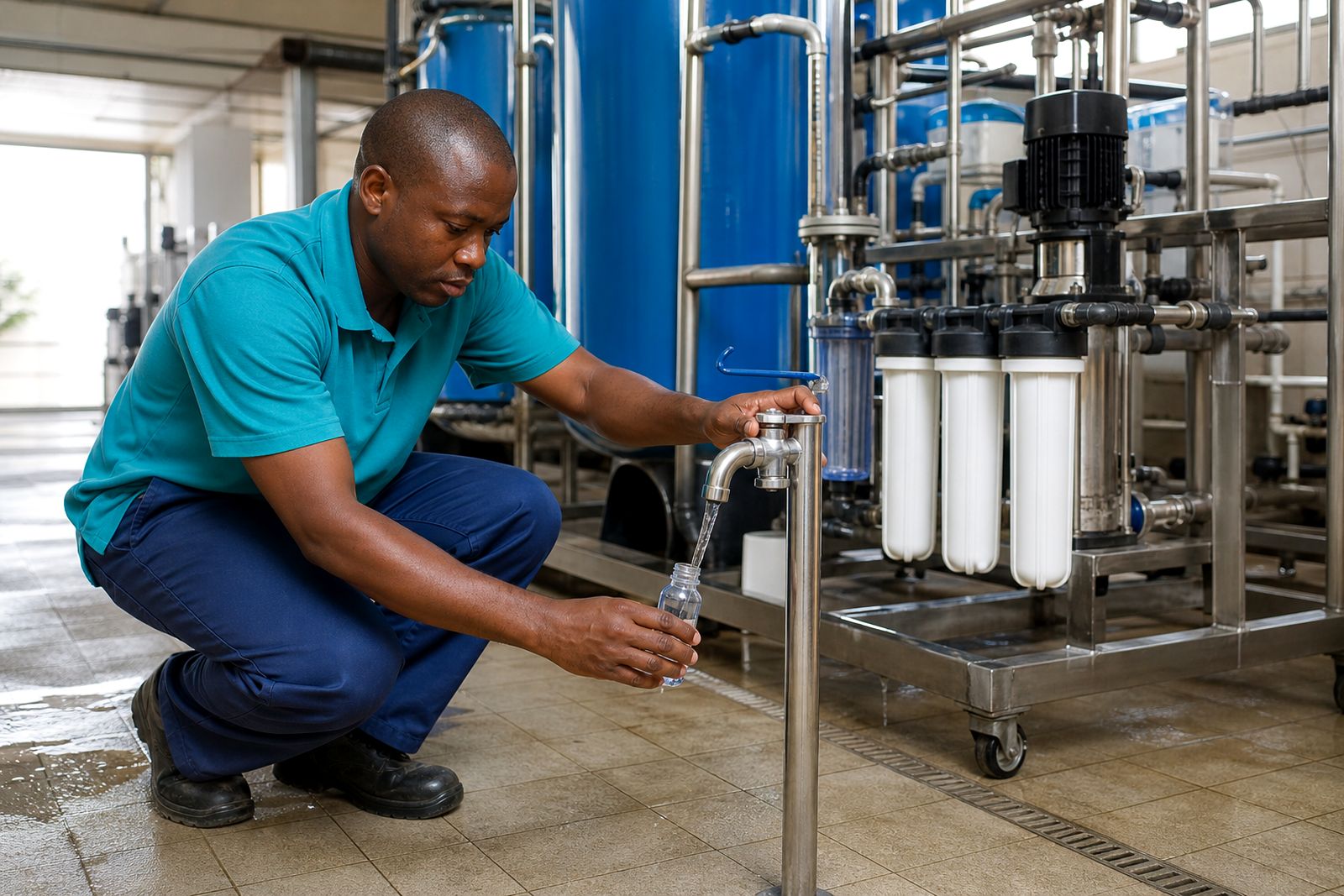
Testing and service
Planned maintenance, disinfection support and water-quality record keeping for dialysis water plants.
Read more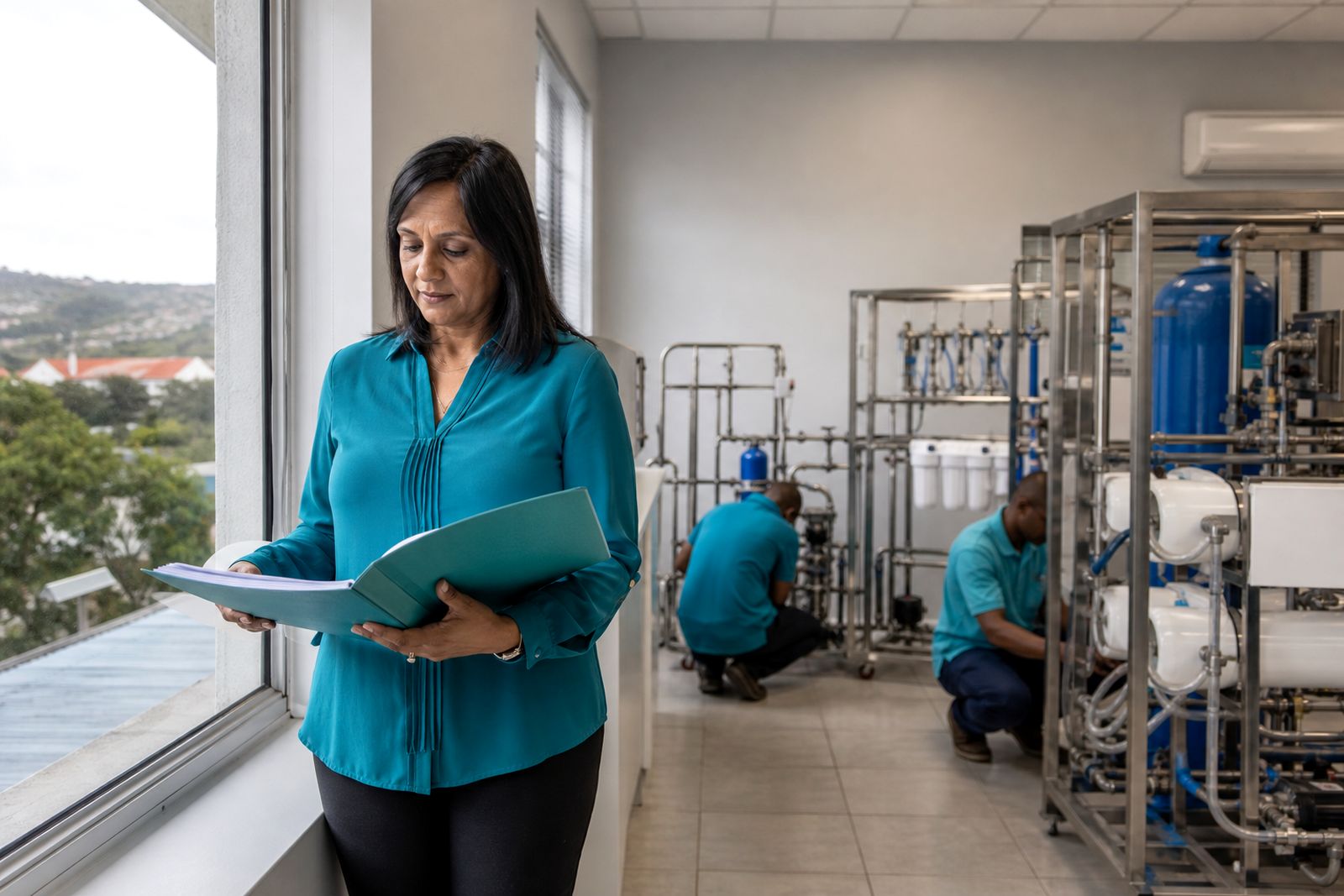
Guides
Practical notes for unit managers on planning, checks, records, disinfection and service for dialysis water plants.
Read more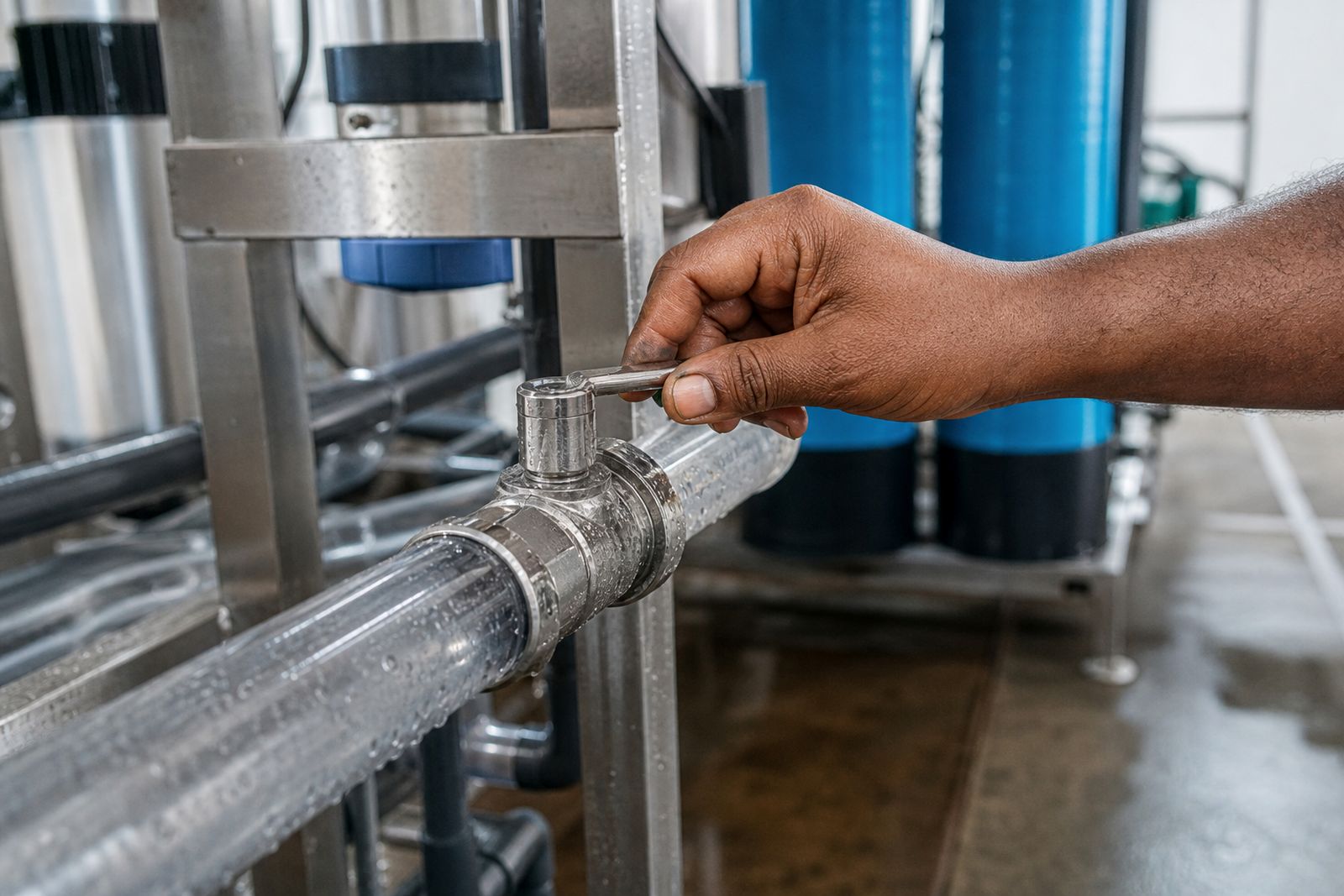
What we supply from tap to drain
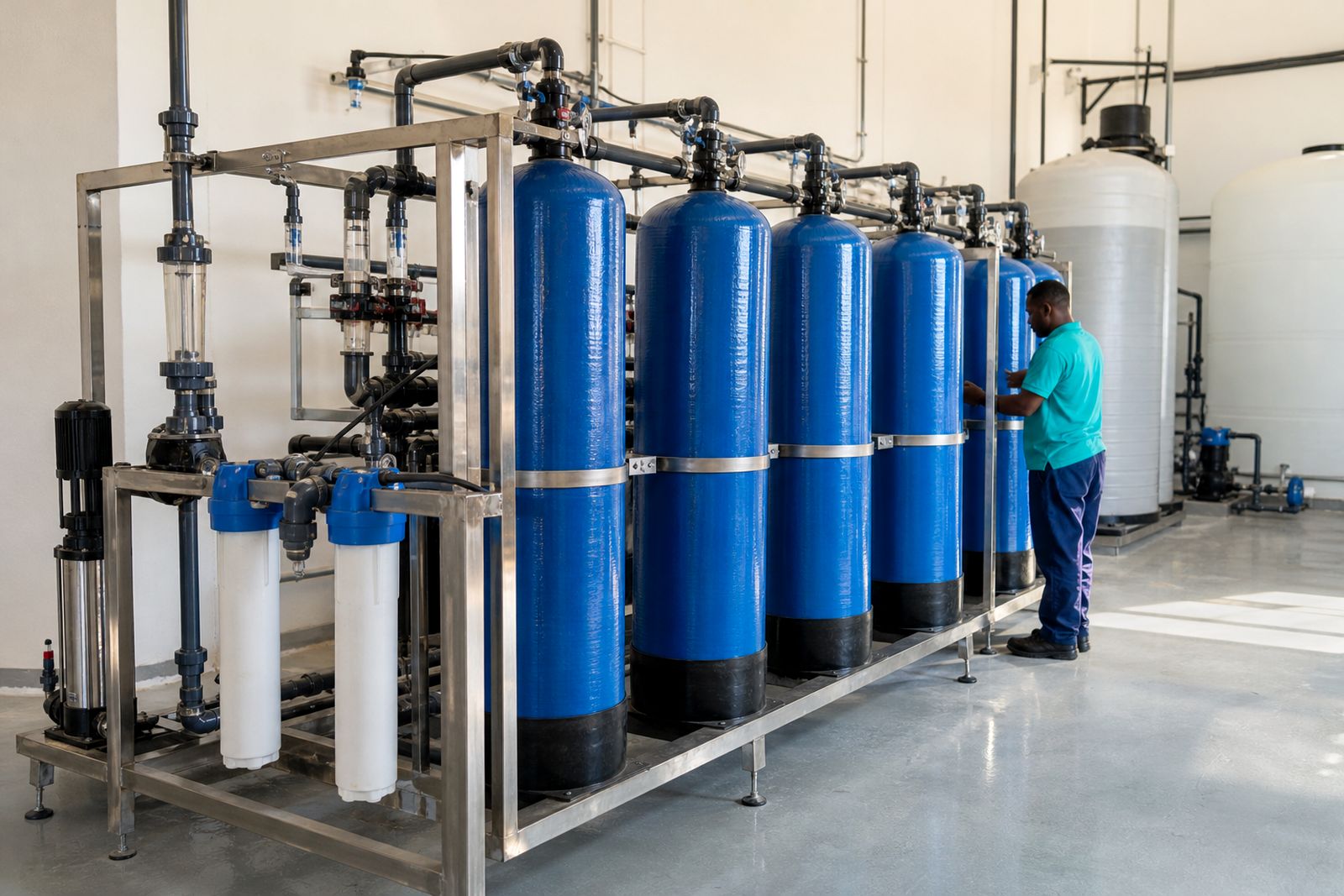
Our work starts at the incoming water connection and ends where reject water and drain lines leave the plant area. In between, we install and maintain the treatment stages that support a dialysis unit's water system. That includes sediment and carbon stages where required, softener vessels and salt replenishment, RO sections, storage and circulation arrangements where specified for the site, and loop pipework feeding the treatment distribution line.
We also handle the practical items that are easy to overlook but matter on service day: isolation points, sample points where the unit wants them, drain falls, access clearances, wall penetrations and sensible placement of consumables. In coastal areas around Durban, humidity and salt in the air can be hard on plant rooms, so material choice and ventilation are not small details. A neat layout makes routine checks faster and reduces mistakes, especially during busy shifts or after a power cut when the team needs to confirm the plant has come back in the right state.
- Incoming water connection planning
- Pre-filters and carbon stages
- Softener salt deliveries and top-ups
- RO plant service items
- Loop and return line arrangements
- Drain routing and discharge checks
How a typical project runs with us
A normal job starts with an enquiry through our contact page. From there we arrange a site discussion to understand the unit layout, available services and what work is needed. For a new installation, that usually means looking at the incoming water point, plant room space, drainage, route to the treatment area and access for future service work. For an existing plant, we review the current arrangement, service condition and any recurring operating issues noticed by the staff.
After the site survey, we plan the treatment setup and installation sequence. We then install the plant, connect the pre-treatment and RO sections, set up the loop arrangement if part of the scope, and complete commissioning checks with the unit's responsible staff. Once the system is in service, we can provide routine visits for filters, salt, disinfection, membrane work and general plant attention. The unit and its responsible staff set the testing schedule and limits, and we keep the records with the plant documentation.
- Enquiry through the contact form
- Site survey and plant-room review
- Design of the treatment arrangement
- Installation and commissioning
- Scheduled service, disinfection and consumables
- Testing logs maintained with the unit
Support for units across KwaZulu-Natal
Our base is in Pinetown near Durban, which puts us close to many dialysis facilities in the greater eThekwini area and well placed for work throughout KwaZulu-Natal. We assist units in towns and cities across the province, whether the requirement is a new plant installation, a replacement of treatment sections, regular salt supply, or planned service visits. On request, we can also assist in other provinces where a unit needs this type of specialised water plant support.
Travel planning matters on this kind of work because service calls often need to fit around treatment schedules, building access and municipal water interruptions. In coastal districts, corrosion and warm plant rooms can add wear. Inland locations may present different feed-water behaviour and different building layouts. We plan around those local conditions rather than assuming one setup fits every unit. That saves time later and it keeps service visits more straightforward.
Records, disinfection and day-to-day plant care
One part of dialysis water work that deserves proper attention is the routine discipline around logs and disinfection. Plants do not stay in good order by installation alone. Filters need timely replacement, softeners need salt, membranes need monitoring, and disinfection must be carried out as part of the unit's maintenance programme. We support those tasks and record the work done so the unit has a clear service trail to refer back to.
The unit's responsible staff decide the testing schedule and the limits they work to, and we keep the water-quality testing logs as part of the plant records. We do not give clinical advice. Our role is to maintain the water treatment equipment, carry out the agreed service work, and help the unit keep organised records of maintenance and testing activity. A simple well-kept file at the plant can save a lot of back-and-forth later, and it helps new operators understand what has been done and when.
- Disinfection of plant and loop sections
- Routine replacement of service items
- Water-quality testing logs kept with the unit
- Service records for traceable maintenance
- Support for daily plant checks by operators
A practical point: plant rooms, drains and power cuts
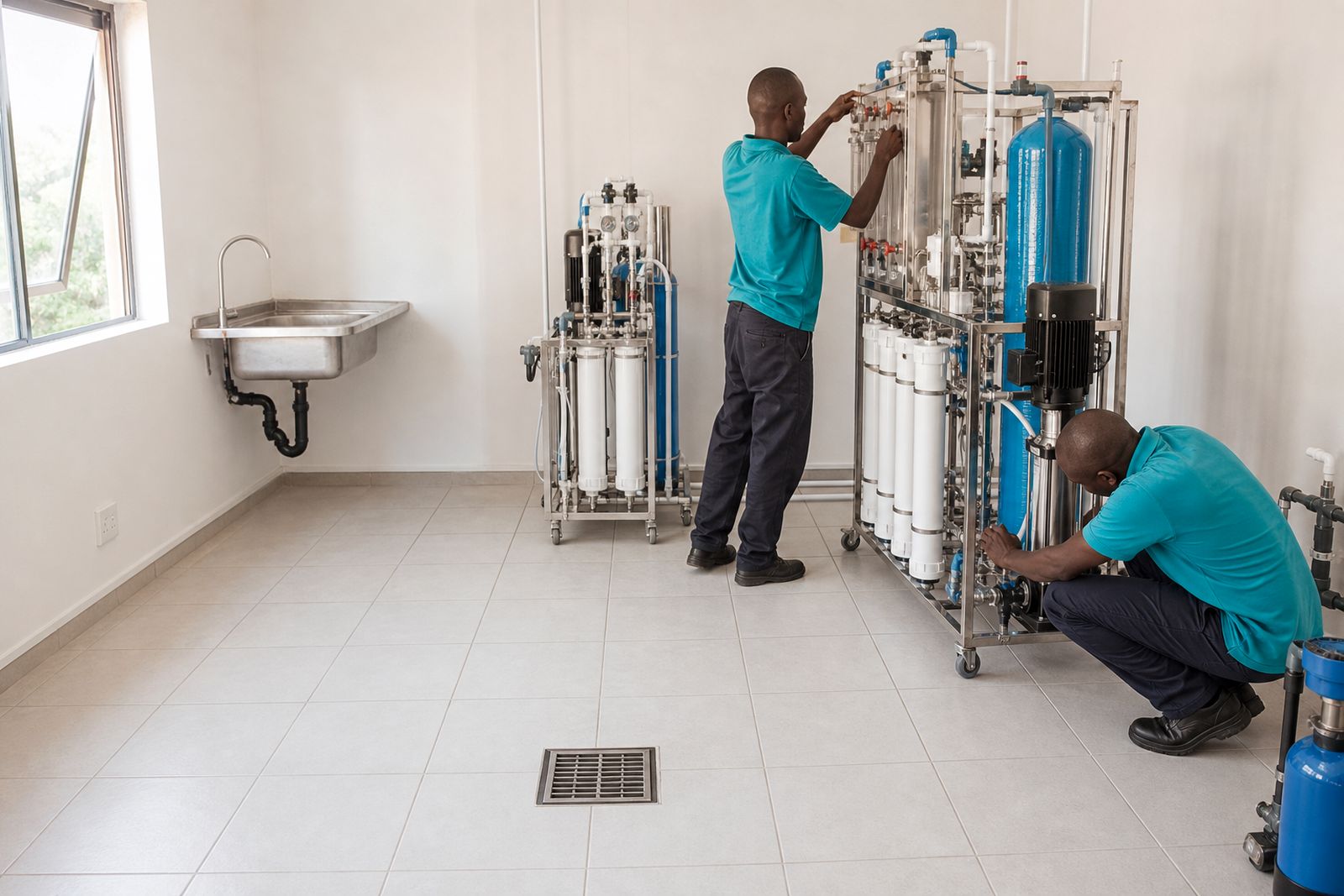
In this trade, a tidy drain layout and a workable plant room often make the difference between a smooth service visit and a long frustrating one. Reject water and discharge lines need proper routing, and the room needs space to change filters, move salt and reach valves safely. We look at these details early because fixing them after installation is harder and more expensive. Even small things like where a floor drain sits or how a door swings can affect service access.
Power cuts are another local reality. After an interruption, staff need to check that the plant restarts correctly and that nothing has been left in a bad state. Clear labelling, sensible valve positions and easy access to the main treatment stages all help. When we install or service a plant, we keep the practical operation in mind, not only the piping on paper. It sounds basic but basic details are what keep a plant manageable on a busy day.
Questions we get asked
Do you only work in Pinetown and Durban?
No. We are based in Pinetown near Durban and install and service dialysis water plants across KwaZulu-Natal. We can also assist in other provinces on request.
Can you help with existing dialysis water plants?
Yes. We work on new and existing reverse-osmosis water treatment plants, including pre-treatment, filters, softener salts, RO membranes, distribution loops, disinfection and service contracts.
Who sets the water testing schedule?
The unit and its responsible staff set the testing schedule and limits. We keep the water-quality testing logs with the plant records as part of our service support.
Ask about a water plant
Send a note through our contact form with your unit, the number of treatment stations and whether you need a new plant, a service or testing, and an engineer will contact you.
Open the contact form