Disinfection
Planned disinfection helps keep a dialysis water plant and loop clean between routine service visits. We carry out the work from plant to drain, then record what was done and hand the records back to the unit.
What this service covers
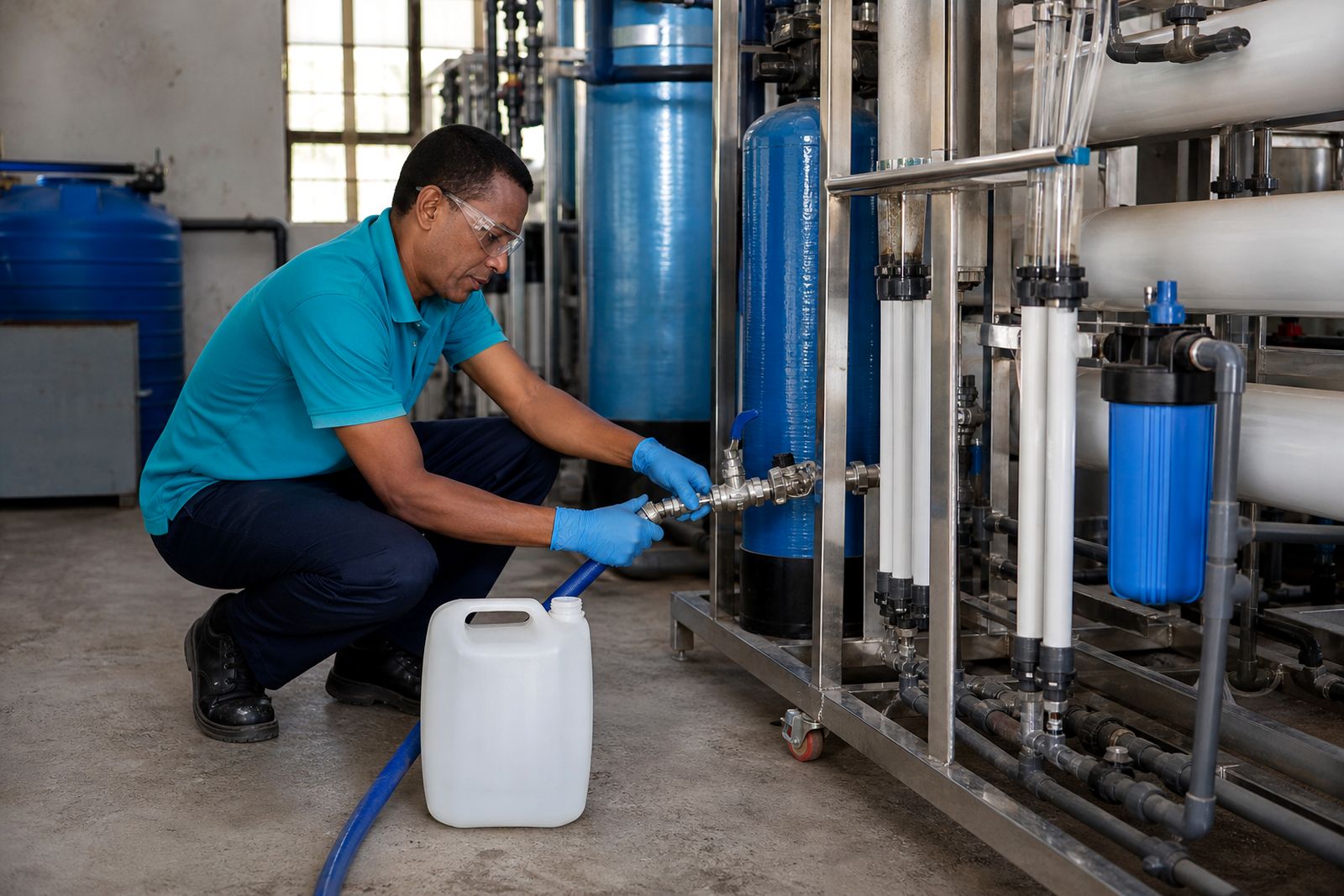
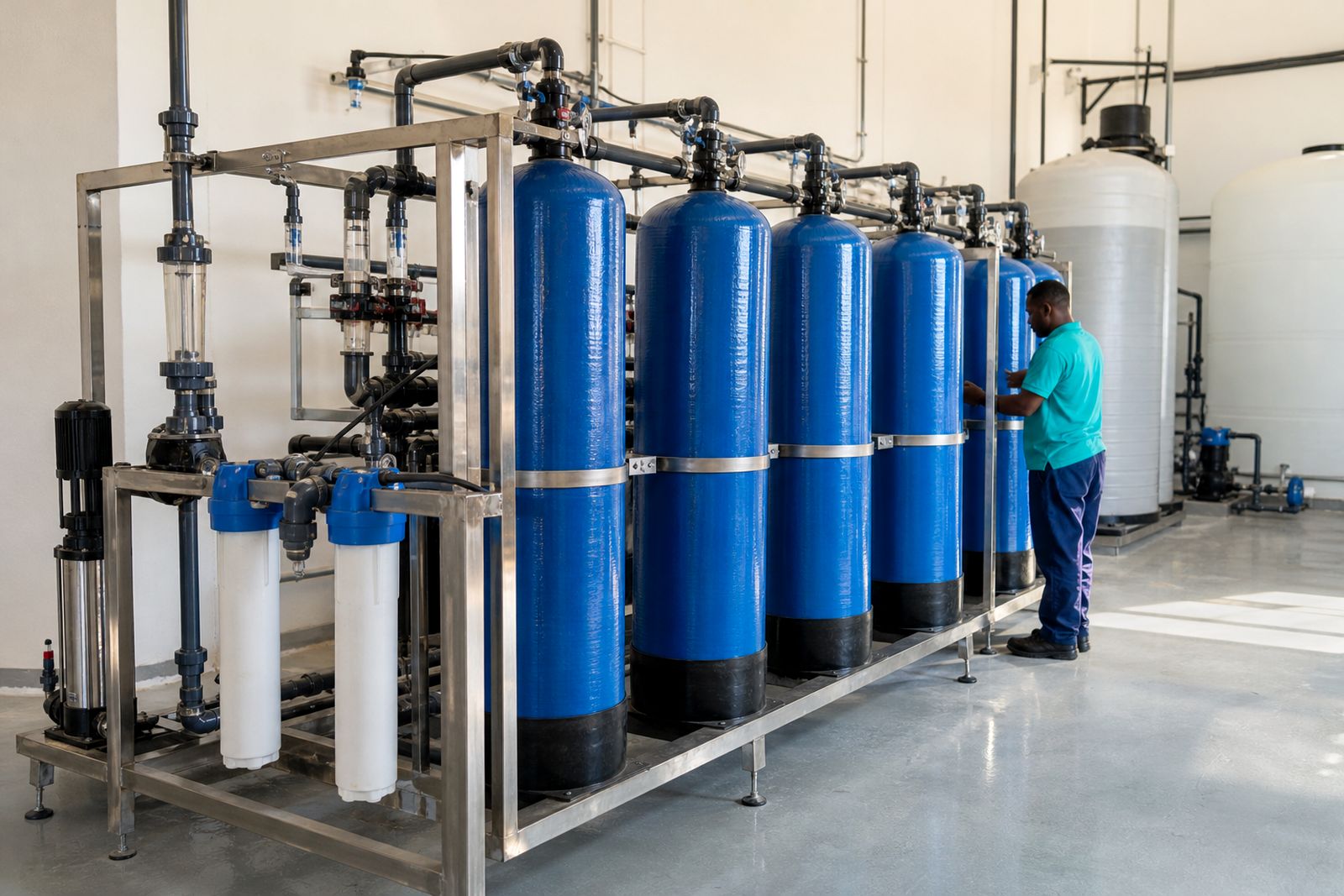
Our disinfection service is for reverse-osmosis water treatment plants and distribution loops serving dialysis units. It covers the water path from the incoming treatment train through the reverse-osmosis section and along the loop, with controlled flushing and record keeping at the end of the visit. The aim is planned system hygiene as part of the unit's maintenance programme, not emergency fault finding or clinical decision-making.
We work on complete plant sections where required, including pre-treatment items connected to the disinfection plan, storage and transfer sections where fitted, and loop pipework with return lines. The responsible unit staff decide the testing schedule and the limits they work to, and we keep the service and disinfection records for the plant file.
- Planned disinfection of plant and loop
- Isolation, circulation, soak and flush steps
- Checks on valves, sample points and drain routes
- Service notes and disinfection records for the unit
- Coordination with routine service where booked together
Step by step on the day
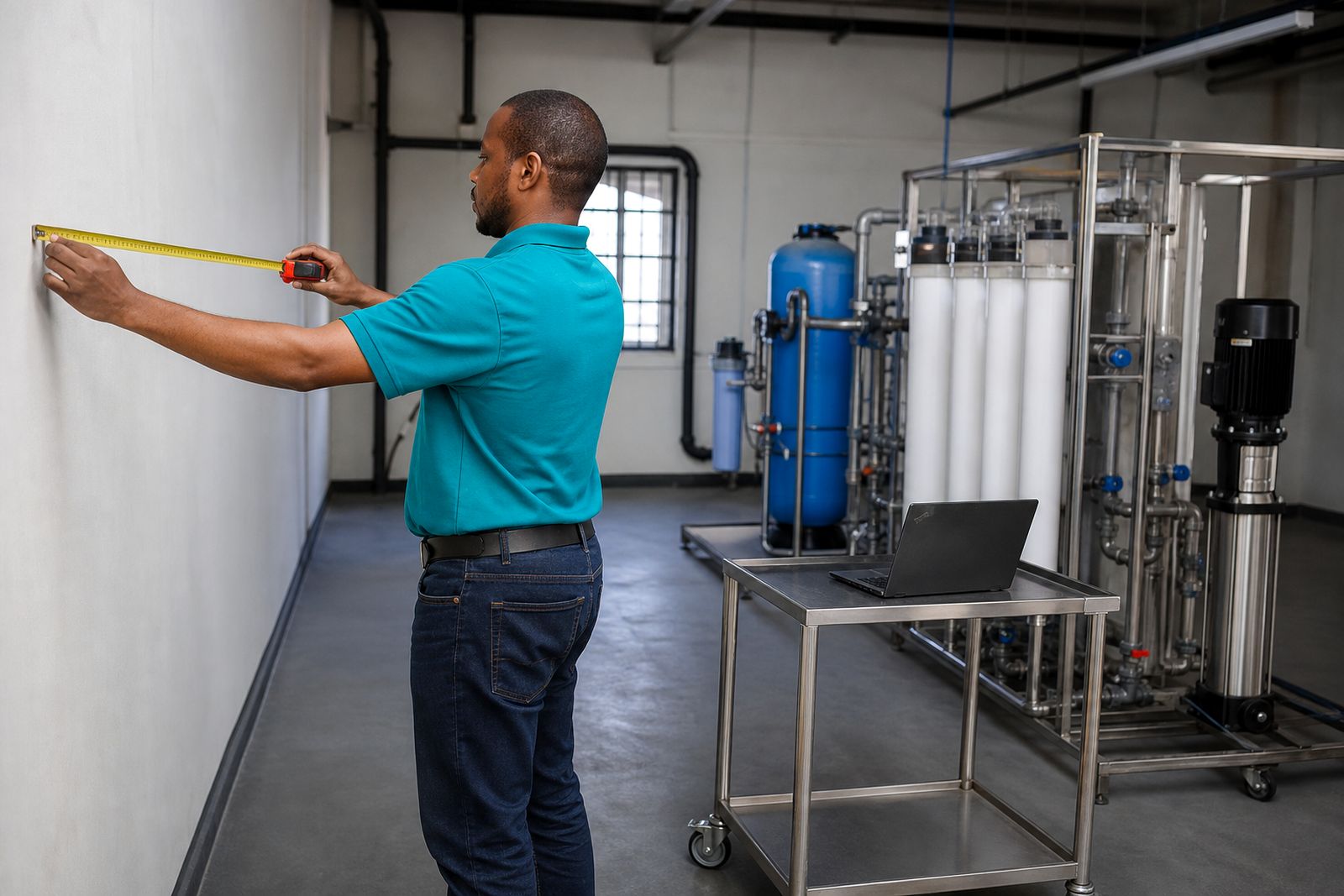
Before any chemical is introduced, the service technician confirms the plant layout, access to drains and flushing points, and the isolation arrangement for the unit. We then inspect the plant room and loop access points to make sure the work can be done safely and without cross-connection to untreated lines.
The normal sequence is isolation, preparation of the disinfection solution, controlled circulation through the selected plant sections, contact time, and then flushing until the responsible staff are satisfied to continue with their own testing schedule. If the system has more than one section or ring, we break the work into stages so that each part is treated properly and the records stay clear.
- Confirm plant configuration and loop route
- Check drain points, overflow routes and flushing access
- Isolate the plant and affected loop sections
- Introduce and circulate the selected disinfecting agent
- Allow the planned contact period
- Flush thoroughly from plant to drain
- Record the work done, observations and handover notes
Where the plant includes storage or recirculation sections, those are dealt with in the agreed sequence. If we find a mechanical issue during the visit, such as a sticking valve or a leaking fitting, we note it for the unit because a clean disinfection cycle still depends on the plant hardware being in sound working order.
What the unit must prepare
Good preparation saves time and reduces disruption to the unit. The plant room and loop access points should be clear, drains should be usable, and the responsible staff member should be available for site handover before and after the work. If there are municipal water interruptions, pressure problems, or planned power cuts in the area, please note that in the enquiry so timing can be planned properly.
For coastal sites around Durban and elsewhere in KwaZulu-Natal, humidity and salt air can affect room conditions, labels and exposed fittings, so we also check that plant identification points are still readable. Please make sure any lockable access doors, ceiling access panels or service passages can be opened on the day. A bit of preparation here helps a lot.
- Provide safe access to the plant room and loop points
- Ensure drain routes are open and usable
- Keep a responsible staff member available for sign-off
- Advise of water interruptions or local power cuts
- Confirm whether the plant will be offline for the agreed window
Records, testing logs and handover
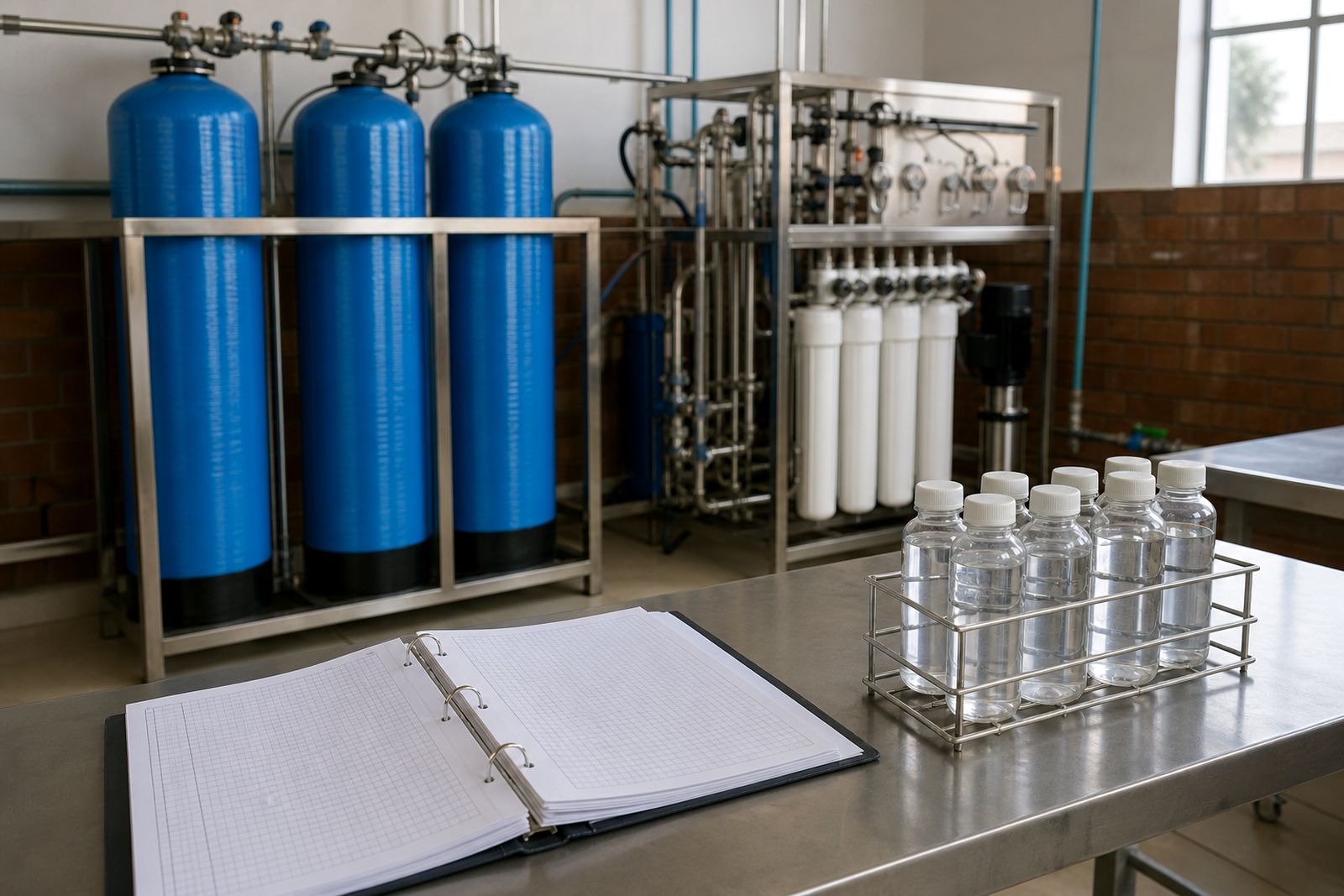
After disinfection, we complete the service record with the date of work, the plant sections treated, the main steps followed, any observations, and the handover notes. The unit and its responsible staff set the testing schedule and limits; we keep the records and return them for the plant file so there is a clear service trail.
Where the unit runs a routine log for plant checks, disinfection dates and water-quality review, we can align our paperwork with that file structure. This keeps the history of the plant easier to follow over time, especially where there are multiple service visits, membrane changes, pre-filter changes or loop maintenance items recorded alongside the disinfection work.
How pricing is worked out
Disinfection pricing depends on the size and layout of the plant, the length and accessibility of the loop, travel from Pinetown to site, and whether the work is booked as a standalone visit or combined with another service task. Plants with more than one treatment stage, storage sections, transfer pumps, or difficult loop access generally take longer and use more consumables.
We also allow for the condition of the site and the time needed to isolate, circulate and flush properly. If the unit requests work outside normal service planning, or asks us to attend a site outside KwaZulu-Natal, that affects the quotation as well. For any booking, clients should use the enquiry form on our contact page and include the town, the plant type and whether loop work is required.
Aftercare and service follow-up
Once the plant has been handed back, the unit's responsible staff continue with their own testing schedule before the system returns to normal use. We do not give clinical advice, and we do not set the unit's testing limits, but we do make sure the service paperwork is complete and practical for their records.
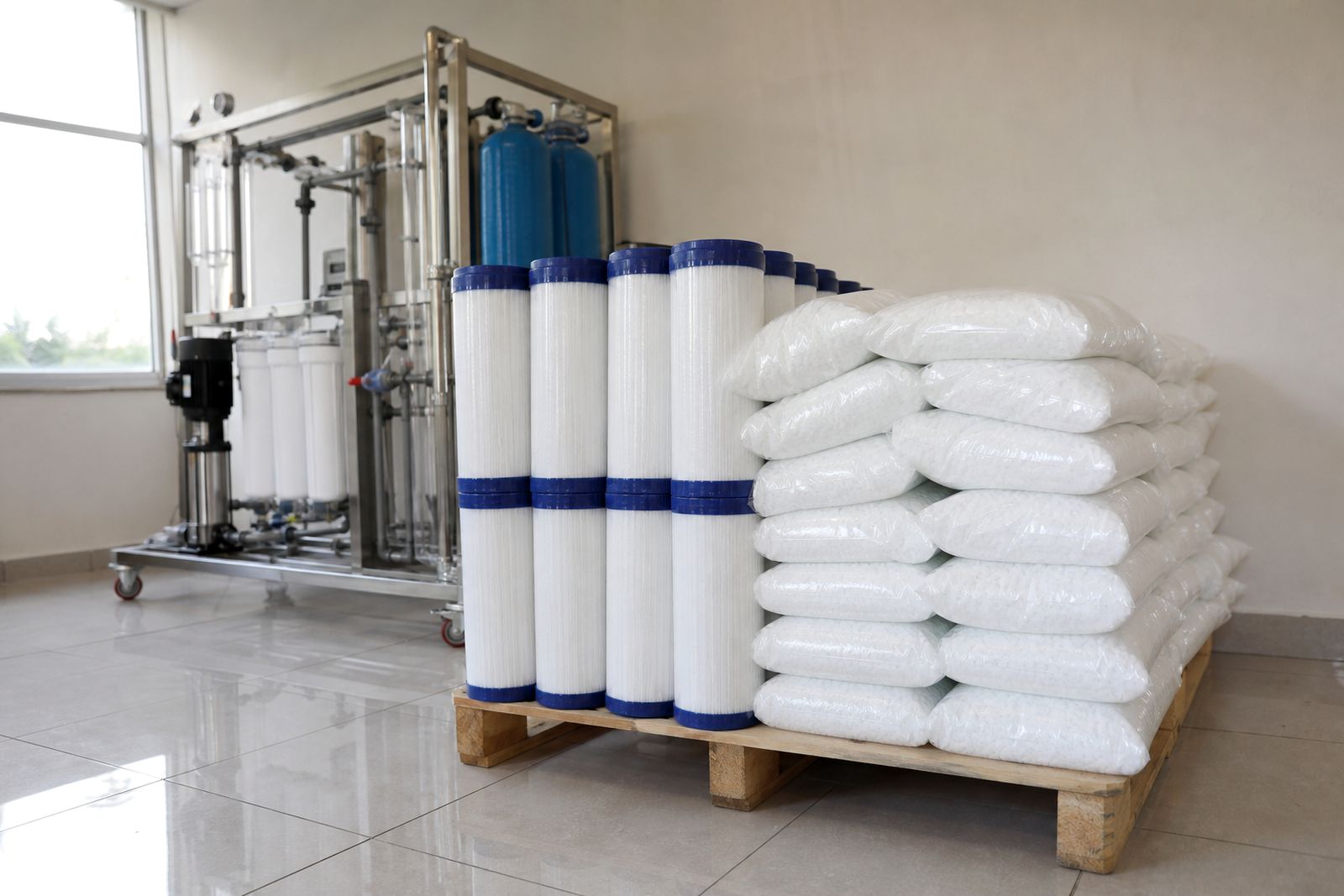
If follow-up work is needed, such as filter replacement, salt supply, valve attention, loop repairs or a broader service contract, we can plan that as a separate scope. Many units prefer to schedule disinfection together with routine service so downtime is managed better and the plant history stays in one file. For sites in Pinetown, Durban and across KwaZulu-Natal, we plan visits to suit access windows and treatment area restrictions.
- Handover record after the visit
- Notes on items needing follow-up attention
- Option to align with routine servicing
- Support for plants across KwaZulu-Natal and, on request, other provinces
What our Water Treatment customers say
Verified Google reviews
Questions we get asked
Do you disinfect only the plant, or the loop as well?
We can disinfect the plant only or include the distribution loop, depending on the agreed scope and the unit layout.
Who decides the testing schedule after disinfection?
The unit and its responsible staff decide the testing schedule and the limits they work to. We keep the service and disinfection records.
Can disinfection be done during another service visit?
Yes. Many units book disinfection together with routine service, filter changes or other planned plant work so access and downtime are handled in one visit.
Also worth a look
Ask about a water plant
Send a note through our contact form with your unit, the number of treatment stations and whether you need a new plant, a service or testing, and an engineer will contact you.
Open the contact form