Water-quality testing logs
Clear water-quality records help a dialysis unit track sampling, actions taken and routine follow-up. We support the unit’s responsible staff with practical logging from sample point to filed record, from tap to drain.
What is included in our logging service
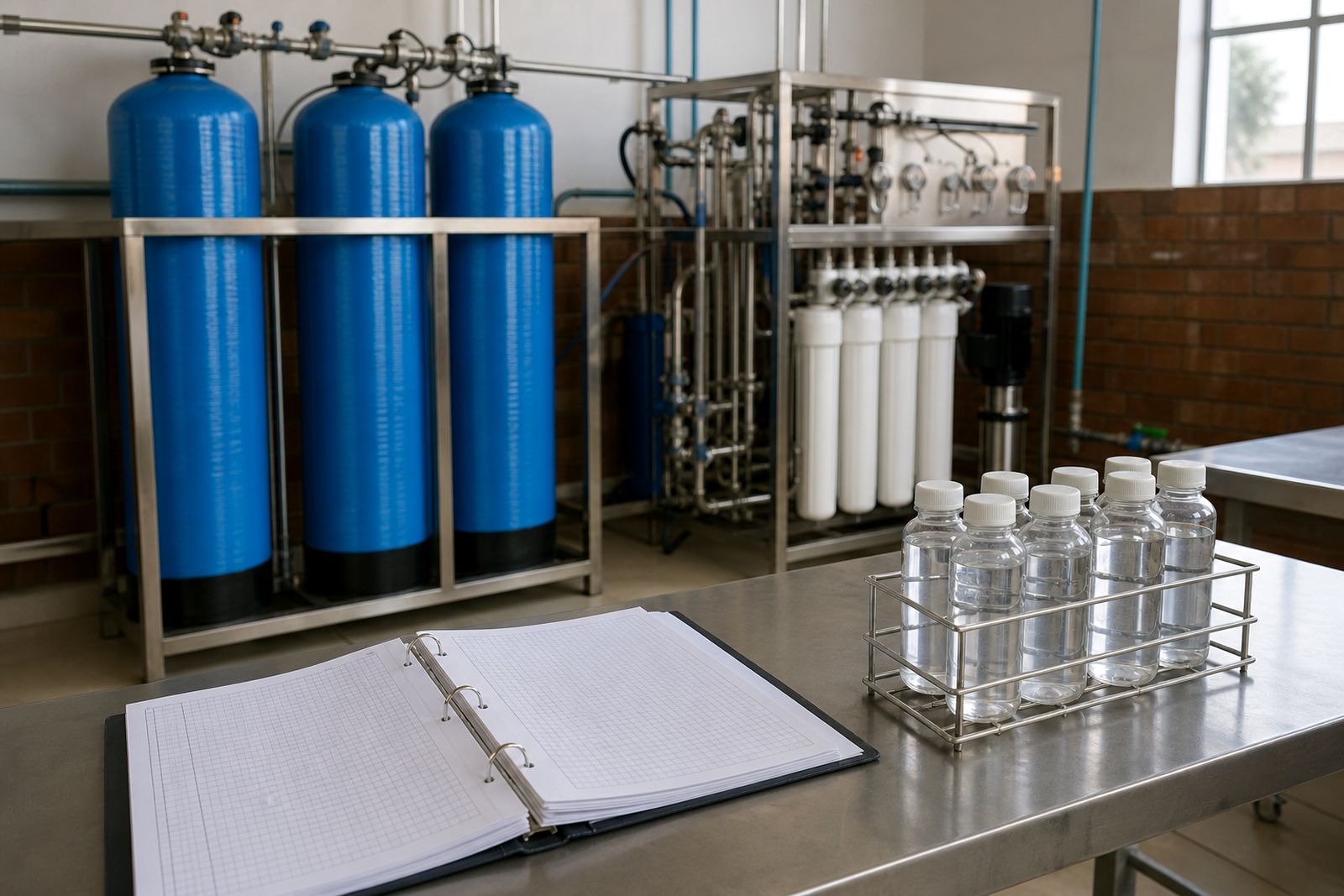
Our water-quality testing log service covers the record side of dialysis water plant testing and follow-up. We work with the unit’s responsible staff to keep sample dates, sample points, routine observations, corrective actions and service notes in one usable record set. The unit and its responsible staff decide the testing schedule and the limits they work to, and we keep the records in line with that instruction.
This service can form part of a broader testing and service agreement or it can be added to planned visits for existing reverse-osmosis plants, pre-treatment lines and distribution loops. We do not give clinical advice. Our role is to support the plant, the records and the practical follow-through after a result, a disinfection or a component change.
- Sample point identification for the plant and loop
- Routine log sheets for plant checks and test entries
- Record filing for service visits, disinfection and filter changes
- Follow-up notes where the unit requests repeat sampling or extra checks
- Coordination with the unit’s responsible staff on missing records or overdue entries
- Traceable site notes from inlet supply to drain point
How the process works step by step
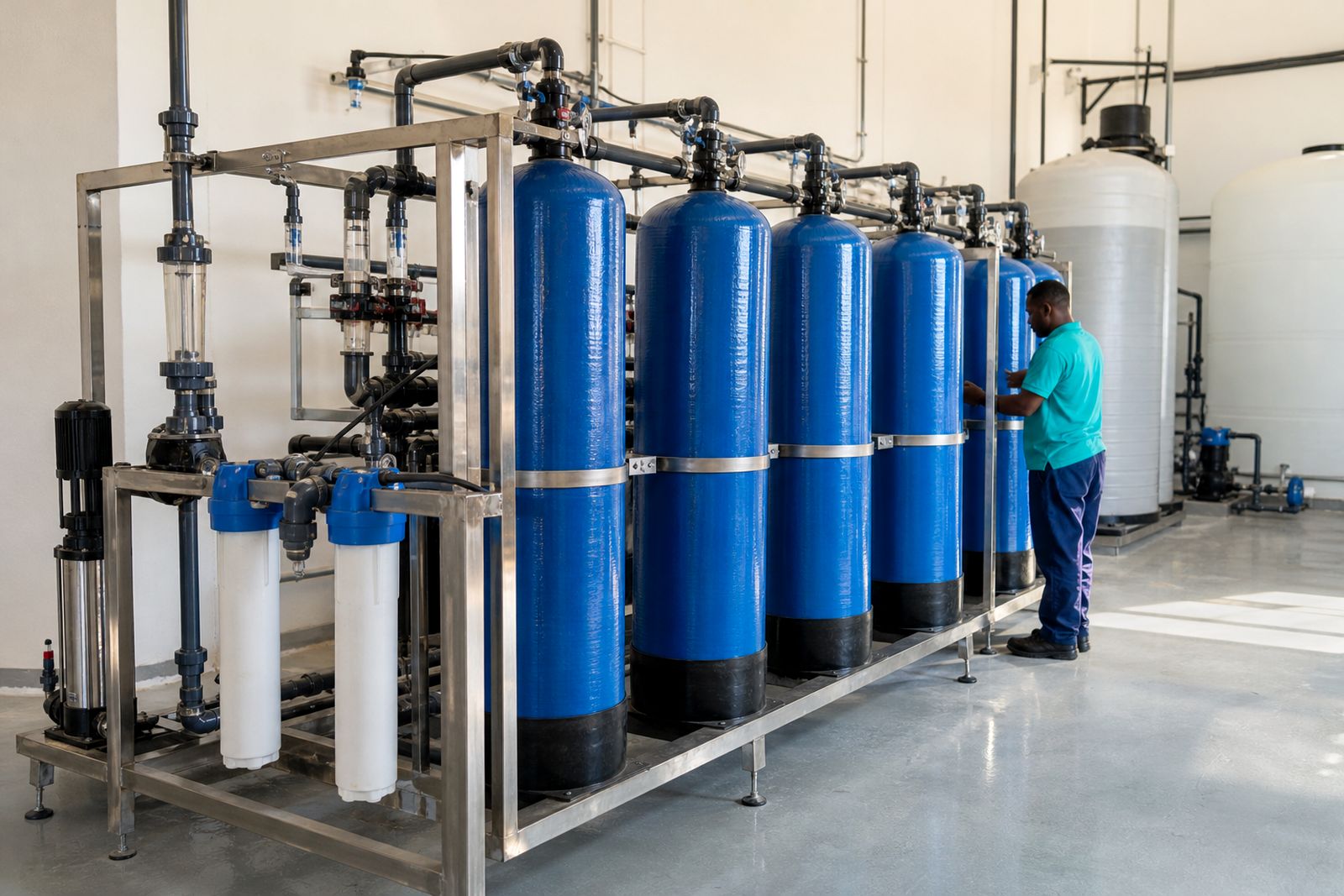
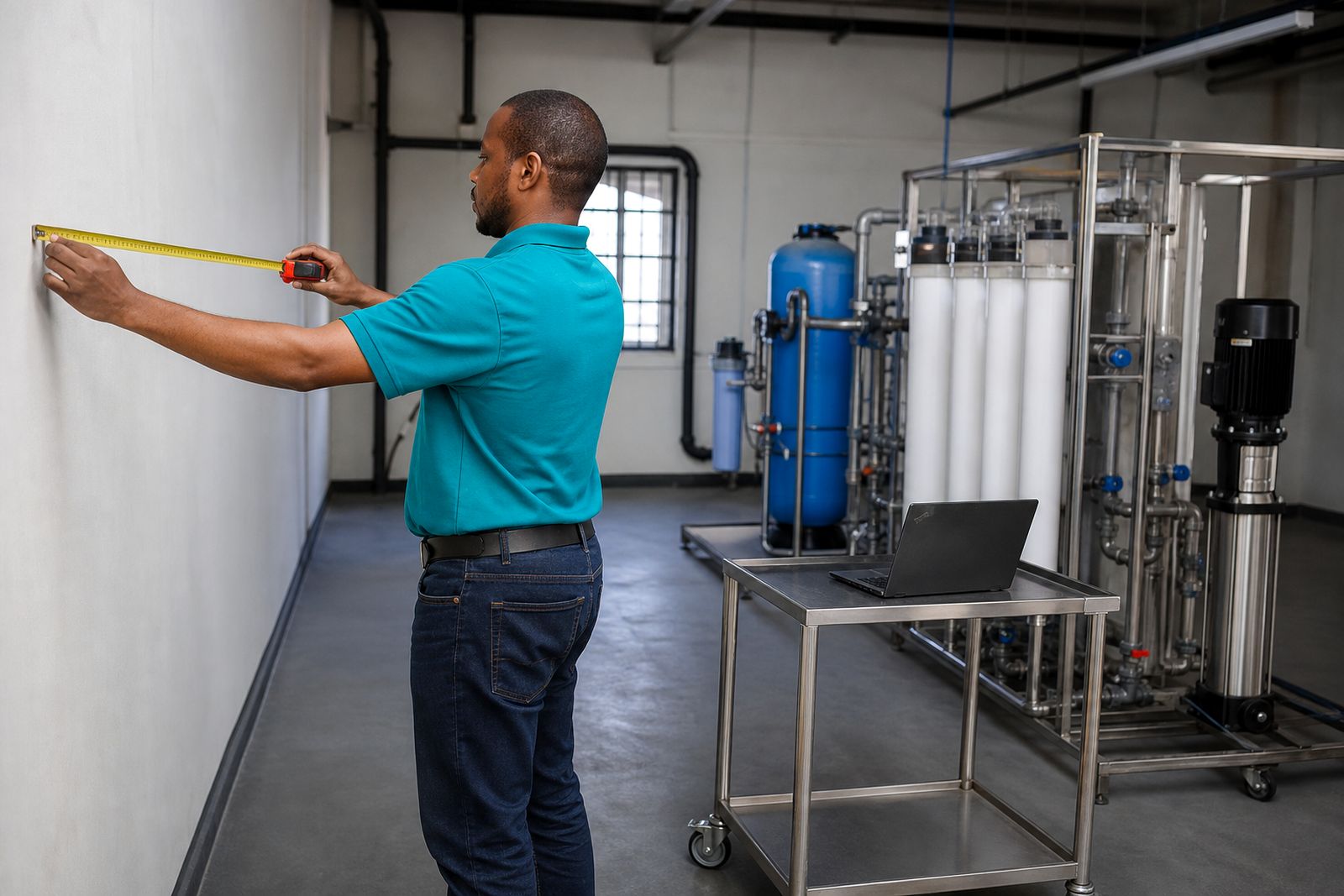
We start by confirming the layout of the plant and the distribution loop, then we match that layout to the sample points the unit wants recorded. On an existing site this usually means checking the incoming water line, pre-treatment stages, reverse-osmosis section, storage if fitted, loop return and any other agreed points. On a newer installation we set up the log structure from the commissioning information and site labels.
At each visit or agreed interval, entries are made against the sample points and service events for that day. If samples are taken by the unit, by an external testing party or during our attendance, the date, point and related plant condition are captured so the record is complete. If the responsible staff ask for a disinfection, membrane change, carbon change or softener work to be linked to a test entry, that is noted as part of the same history.
- Confirm plant layout and agreed sample points
- Prepare or update the site log sheets
- Record sampling dates and related plant condition
- Add service events linked to those records
- Flag missing entries or required follow-up
- File the updated logs with the unit’s responsible staff
Where a result needs attention, the unit decides the next step and required response. We then record what was done on the plant side, whether that was flushing, disinfection, component replacement or a return visit. This keeps the service trail clean and easy to read later on.
Records we keep and how they are organised
The records are set up to be practical on site, not complicated. A busy dialysis unit in Pinetown, Durban or elsewhere in KwaZulu-Natal needs paperwork that staff can actually use during a shift, during a service visit and after power cuts. For that reason we keep the log structure simple, with clear sample point names, service dates and action notes. If the plant room is humid, cramped or shared with other services, we can advise on durable placement of folders and check sheets so pages do not get damaged too quickly.
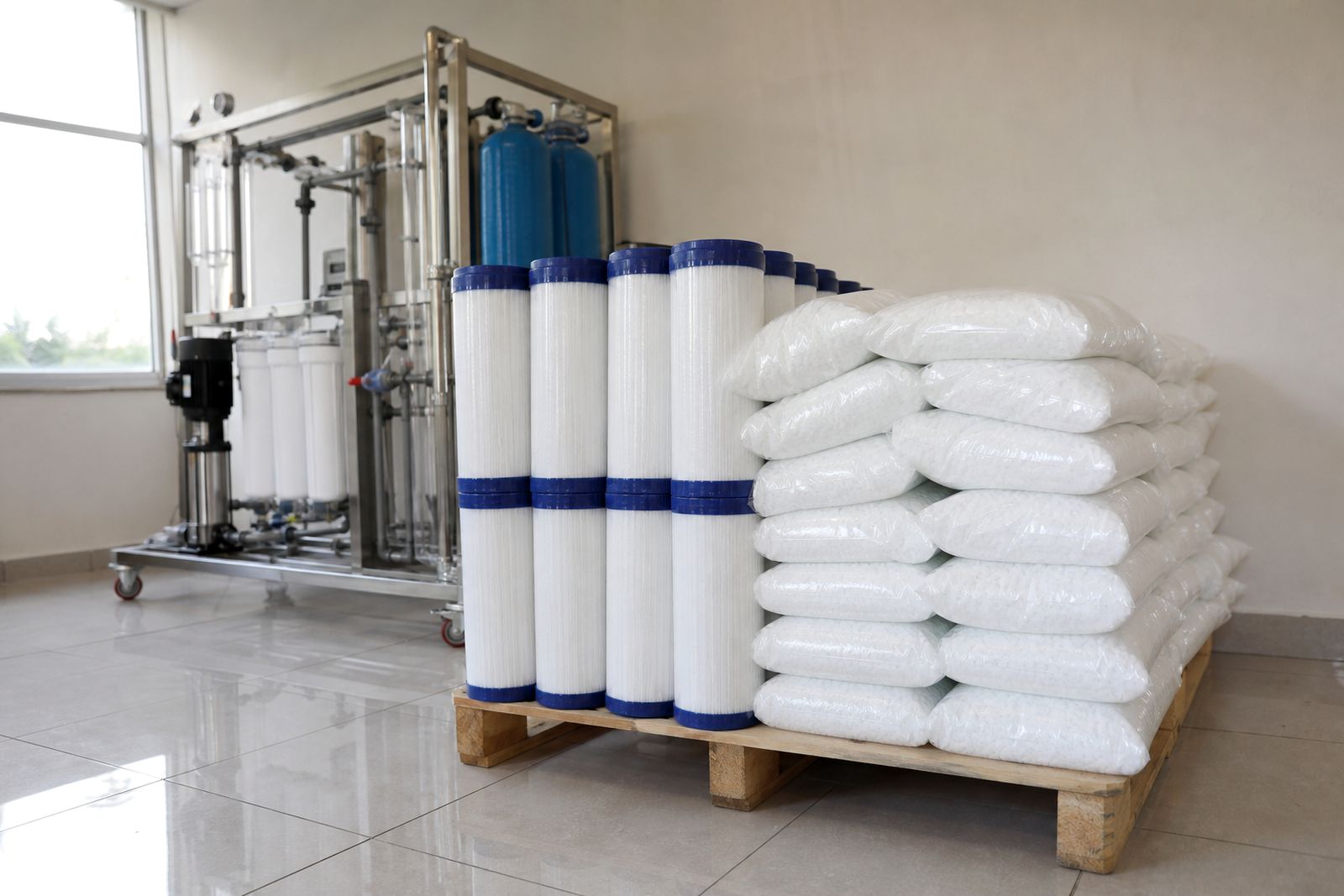
Typical records include sample point lists, routine check sheets, maintenance entries, disinfection records and replacement notes for pre-filters, carbon media, softener salts and membranes where applicable. Each site record pack is tied to that plant layout. That helps avoid mix-ups between loop return points, drain lines and feed-water entries, which can happen if generic forms are used.
Where the client prefers, we can align the record pack with internal naming used by the unit. That makes handover easier for the operator and for responsible staff checking the file later. It sounds small but it saves time on busy days.
What the client must prepare before sampling and logging
Before any logging setup or review visit, the unit should make sure the plant room and sample points are accessible. Good access shortens the visit and reduces missed entries. The responsible staff should also confirm the current testing schedule, the limits they use and who signs off records internally. We rely on that instruction because the unit controls the testing programme.
- Safe access to the plant room, loop points and drain areas
- Current site labels on valves, sample points and major components
- The unit’s testing schedule and limits confirmed by responsible staff
- Existing plant records available for review if there are any
- Notice of any recent filter changes, disinfection or plumbing alterations
- A staff contact available during the visit for questions or sign-off
If there has been recent municipal water disruption, plumbing repairs or extended power cuts, please tell us before the visit. Those events can affect how records are read and how service notes should be written, so we need that background in the file.
How pricing is worked out
Pricing for water-quality testing logs is worked out from the amount of site time, travel, number of agreed sample points, condition of the existing records and whether the work is a once-off clean-up or part of a service contract. A compact unit with clear labels and an established filing system takes less time than a plant where sample points are not marked and past records need sorting.
We also look at whether the logging service is linked to other work such as disinfection, filter replacement, membrane checks or routine service visits. Combining tasks on one visit often reduces repeated call-out time. For sites outside the Durban and Pinetown area, travel and access arrangements matter too. Some facilities require longer booking windows, escort rules or restricted entry times, and that affects planning.
Before work starts we set out the scope in practical terms so the unit knows what is included. If extra record reconstruction is needed later, or if the unit asks for additional sample points to be added, we discuss that first.
Aftercare and ongoing support
After the initial setup or record update, we continue to support the unit with regular review of the log pack during service visits. We check for gaps, unreadable notes, outdated point names and missing service links. If the plant layout changes, we update the forms so the records still match the pipework and equipment on site.
We can also tie the log review to routine plant work such as pre-filter changes, carbon replacement, softener salt deliveries, disinfection and general reverse-osmosis service. That way, the paper trail stays current instead of being fixed months later. In coastal parts of KwaZulu-Natal where moisture can damage paper, we may recommend tougher storage methods in the plant room, simple things but it helps.
Clients reach us through the enquiry form on our contact page to arrange a review, add this service to planned maintenance, or request support at a dialysis unit elsewhere in the province or in another province on request.
What our Water Treatment customers say
Verified Google reviews
Questions we get asked
Do you decide how often our unit must test water quality?
No. The unit and its responsible staff set the testing schedule and the limits they use. We keep the records and link them to plant service history.
Can you take over a site with incomplete or mixed records?
Yes, we can review what is available, organise the usable information and set up a clearer site log pack going forward. If older records are missing, we note that in the file rather than guessing.
Is this only for new plants?
No. We support both new and existing dialysis water plants, including sites that need better logging after alterations, disinfection work or changes to distribution loops.
Also worth a look
Ask about a water plant
Send a note through our contact form with your unit, the number of treatment stations and whether you need a new plant, a service or testing, and an engineer will contact you.
Open the contact form